Spotify
 Apple Podcasts
 Amazon Music
 CastBox
 PocketCasts
 RSS
RSS YouTube
Early Life and Musical Influences
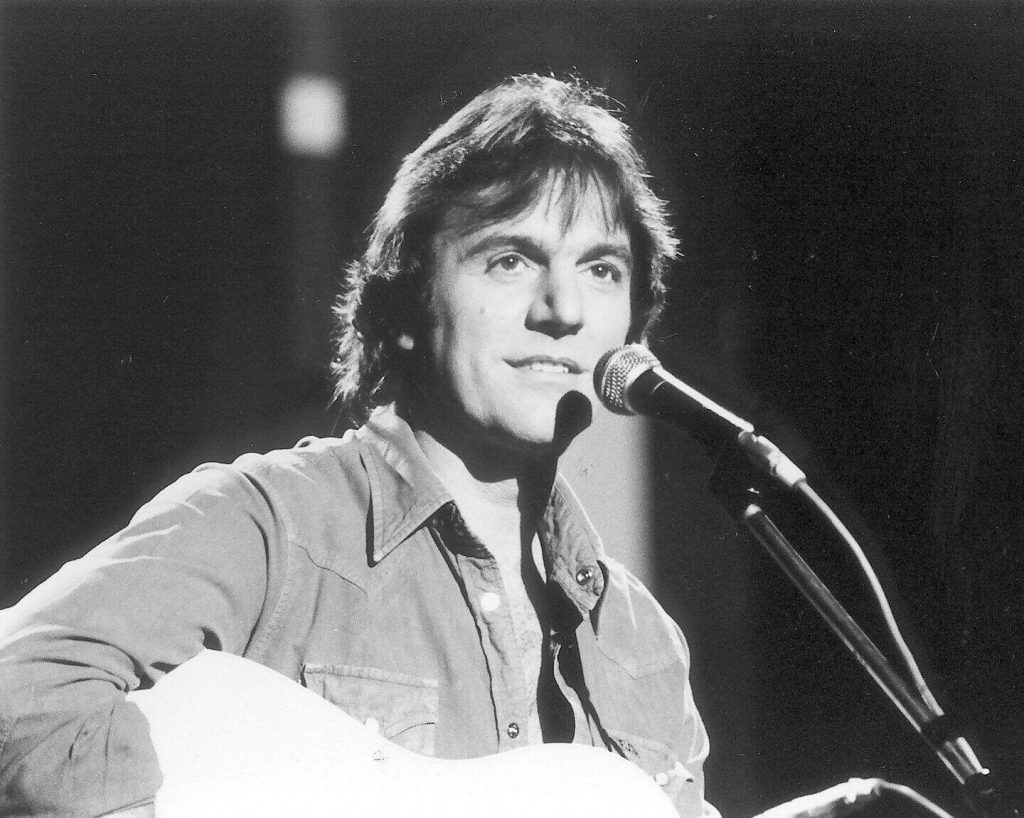
Ralph McTell is one of Britain’s most enduring and respected singer-songwriters, a master storyteller whose songs have become woven into the fabric of English folk music. Born in Kent, in 1944 and raised in Croydon, McTell developed an early love for American blues, folk and traditional British music. As a teenager he was captivated by artists like Woody Guthrie and Ramblin’ Jack Elliott, influences that shaped both his fingerstyle technique and his gift for narrative songwriting.
London’s '60s Folk Scene and First Recordings
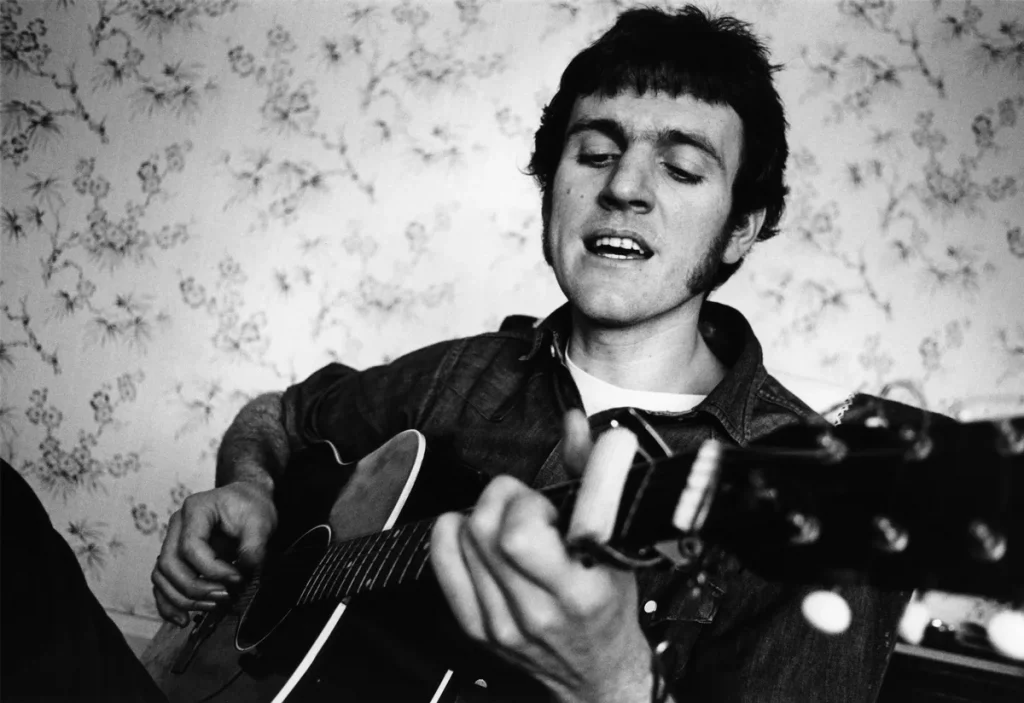
After studying at art school in the early ’60s, McTell began busking and performing in London’s thriving folk clubs, quickly building a reputation for his intricate guitar work and warm, conversational stage presence. He signed with Transatlantic Records in the late ’60s, releasing his self-titled debut album in ’68. Even in those early recordings, his lyrical focus on everyday lives and overlooked people was clear — a hallmark that would define his career.
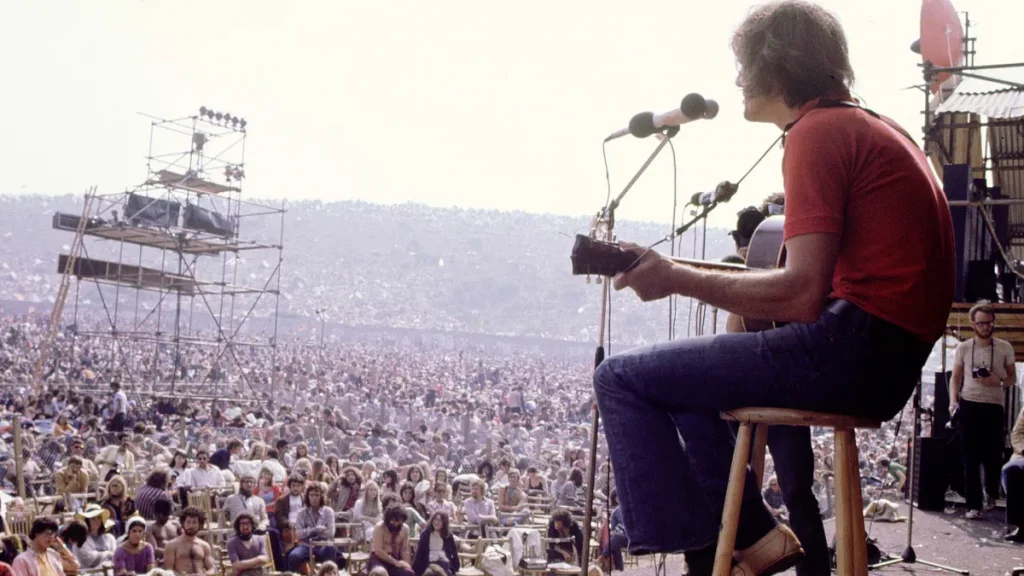
The Breakthrough: Writing “Streets of London”
His breakthrough came in ’69 with “Streets of London,” a song inspired by his travels in Paris and London, where he encountered loneliness and poverty firsthand. The song’s gentle melody and compassionate lyrics struck a deep chord. Though it became a hit in the early ’70s and was later re-released to even greater success, its impact went far beyond chart positions. “Streets of London” became one of the most covered songs in British music history, recorded by hundreds of artists worldwide and earning McTell the prestigious Ivor Novello Award for songwriting. Its quiet plea — “Have you seen the old man in the closed down market?” — remains as powerful today as when it was first written.
Chart Success and the Ivor Novello Award
Throughout the ’70s, McTell toured extensively. Albums like Spiral Staircase, You Well-Meaning Brought Me Here, and Easy showcased his versatility, blending folk, blues, ragtime guitar and thoughtful balladry. While “Streets of London” often overshadowed his broader catalogue, Ralph consistently proved himself far more than a one-song artist. Tracks like “From Clare to Here,” “Last Train and Ride,” and “England” revealed a writer deeply attuned to themes of migration, belonging and identity.
Expanding Into Television and Composition
In the ’80s, McTell broadened his scope beyond recording and touring. He composed music for children’s television, most notably for Alphabet Zoo, and wrote songs for stage productions, demonstrating his adaptability as a composer. His collaborations included projects with fellow folk legend Wizz Jones and work alongside various orchestras.

Beyond the Hit: A Rich Songwriting Catalogue
A defining characteristic of McTell’s career has been his longevity and consistency. Rather than chasing trends, he has remained devoted to craftsmanship. His live performances are particularly cherished: evenings filled with deft guitar instrumentals, gentle humour and stories behind the songs. Audiences are often struck by the way his music feels both personal and communal — songs written about specific encounters that somehow speak universally.

Touring the World and Live Performance Reputation
In the 2000s and beyond, McTell continued to record and tour, releasing albums that revisited his influences and explored new material. His partnership with his wif has been a steady presence throughout his career, providing both creative and personal grounding. He has also been honoured for his contributions to music, including receiving an OBE in 2010 for services to folk music.
Recognition, OBE and Lasting Legacy
Today, Ralph McTell stands as a cornerstone of British folk songwriting. His legacy rests not only on a single iconic anthem, but on decades of carefully crafted songs that chronicle ordinary lives with empathy and grace. With his distinctive fingerpicking style, warm tenor voice and unflinching eye for human stories, McTell has carved out a body of work that continues to resonate across generations.
Why Ralph McTell Remains a British Folk Icon
More than half a century after he first stepped onto the folk club stage, Ralph McTell remains what he has always been: a storyteller with a guitar, shining a quiet light on the corners of life others might overlook.