Spotify
 Apple Podcasts
 Amazon Music
 CastBox
 PocketCasts
 RSS
RSS YouTube
Verdine White - A Lasting Impact on Music

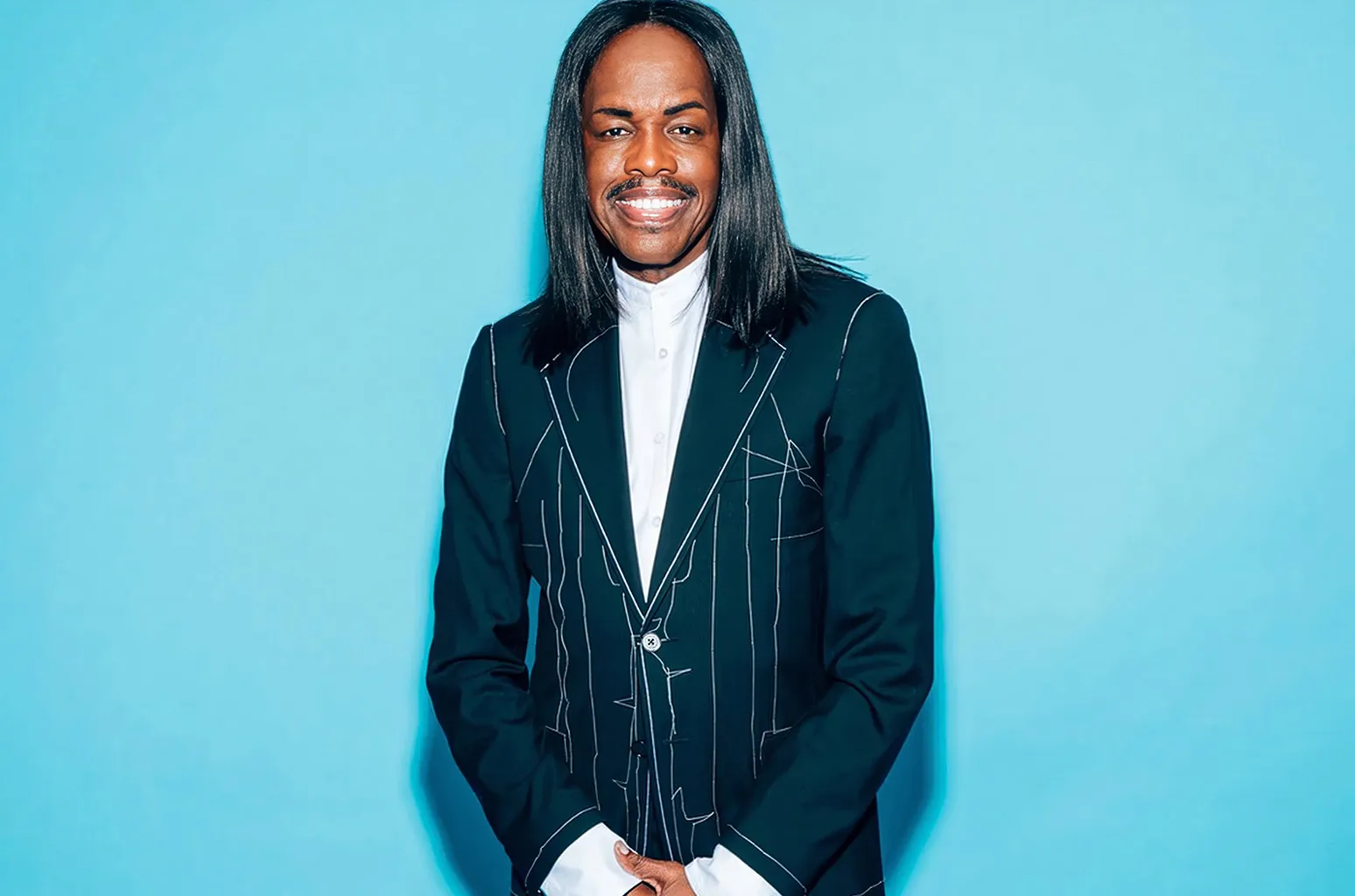
Verdine White has spent a lifetime proving that the bass guitar can do far more than sit quietly in the background. As the bassist and founding member of Earth, Wind & Fire, he helped create one of the most sophisticated and enduring sounds in popular music. With his high-energy stage presence, deep musicality and unmistakable groove, Verdine became a vital part of a band that changed the face of funk, soul and R&B.
Early Life in a Musical Chicago Family
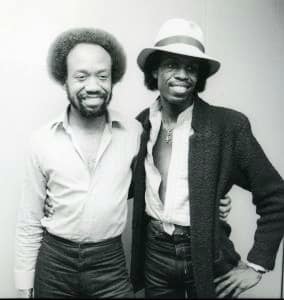
Born into a large and deeply musical family in Chicago, Verdine was surrounded by music from an early age. His father was a physician who also played saxophone, and music was woven naturally into family life. Jazz, blues and rhythm and blues filled the house, with artists like Miles Davis and John Coltrane forming part of the soundtrack of his youth. Growing up in the Midwest exposed him to a wide range of styles, something that would later become central to the Earth, Wind & Fire sound.
How Maurice White Helped Shape Verdine's Career
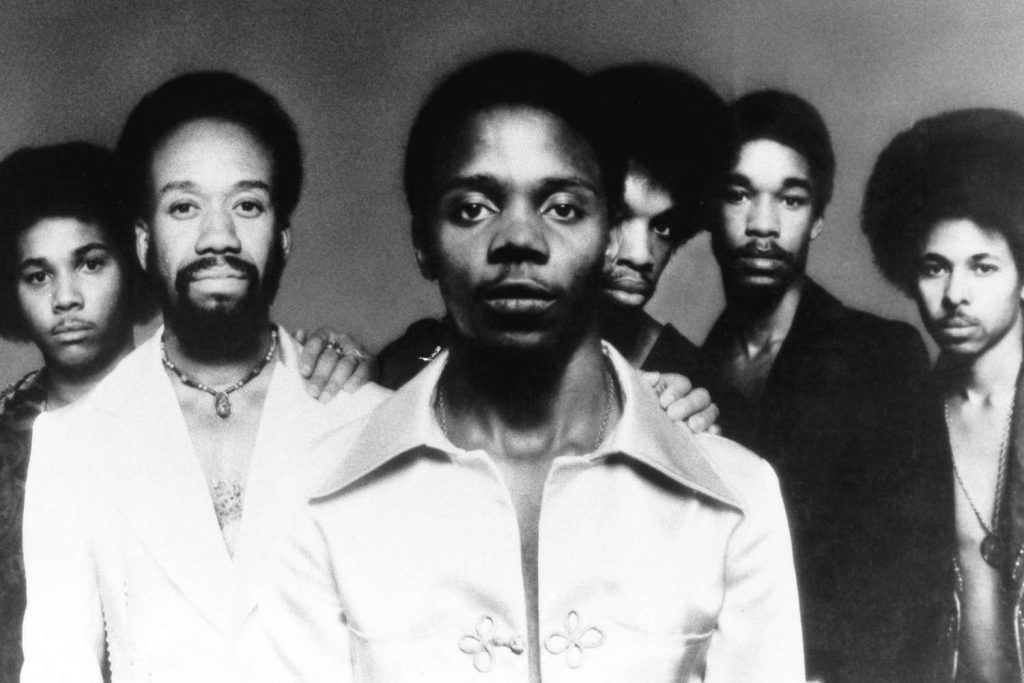
Music was already a serious pursuit within the White family. Verdine’s older brother Maurice White, later the founder and leader of Earth, Wind & Fire, had already established himself as a respected drummer, playing on major Chess Records sessions and working with artists including Ramsey Lewis. For Verdine, Maurice was not just a brother, but a mentor and guiding force. Their age gap meant there was never any rivalry between them. Instead, Maurice became the person who helped shape Verdine’s future.
How Verdine White Learned Bass and Built His Musical Foundation
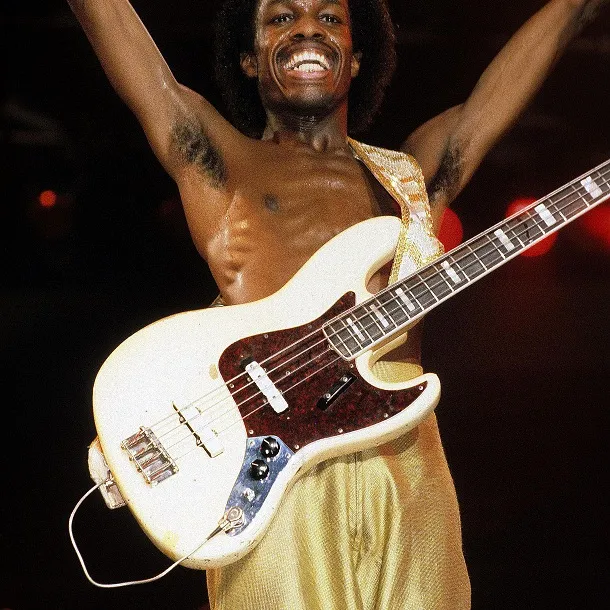
Verdine fell in love with the bass when he first saw one in orchestra class. Something about the instrument immediately spoke to him. He began studying upright bass seriously, practising for long hours and building a strong technical foundation. During the week, he studied classical bass with a member of the Chicago Symphony Orchestra. On weekends, he learned from legendary bassist Louis Satterfield, who taught him modes, charts, studio discipline and the practical side of becoming a working musician. That combination of classical training and real-world rhythm and blues experience gave Verdine an unusually rich musical education.
Verdine White’s Practice Routine and Signature Bass Style

By his own account, he practised obsessively, sometimes for ten or twelve hours a day. Even now, he still returns to the instrument regularly just to reconnect with the sound and the basics. That discipline helped him develop not only strong technique, but also his own style — a style built on feel, musical intelligence and movement.
Verdine White’s Move to LA and Start in Music
Everything changed when Maurice invited Verdine to Los Angeles. At the time, Verdine was still young and studying music on scholarship, but the move marked the true beginning of his professional career. Los Angeles in the early ’70s was vibrant, busy and overflowing with artistic energy. For a young musician from Chicago, it was a world of possibility. Verdine embraced it fully, determined not to return home until he had made something of himself.
The Early History of Earth, Wind & Fire in LA
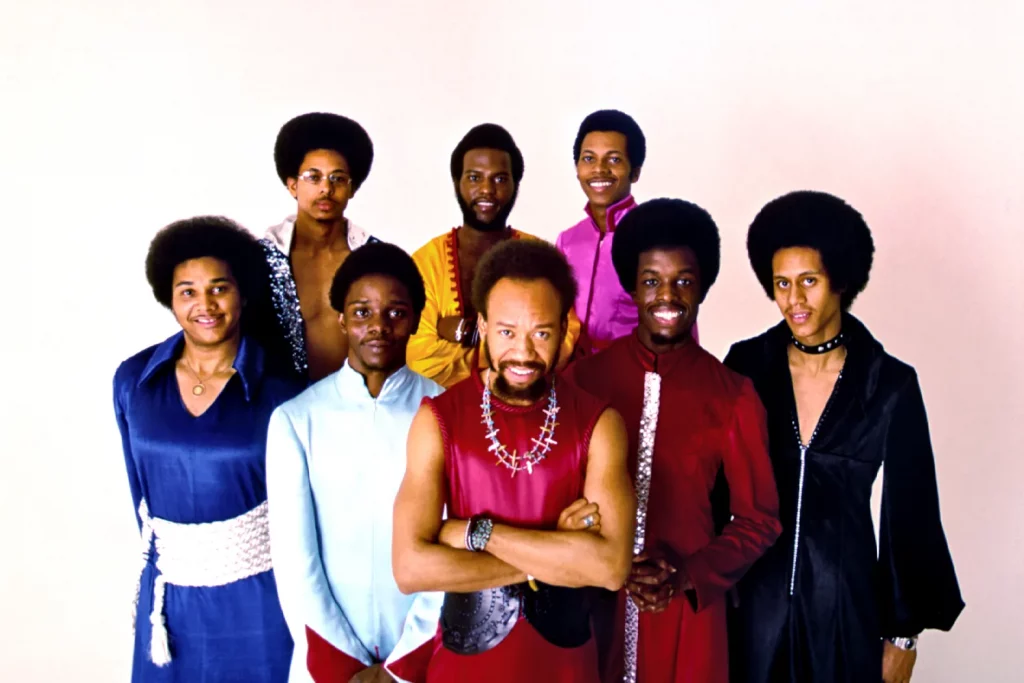
Maurice had moved west with a clear vision. After leading an earlier group called the Salty Peppers, he wanted to build something new — a band that would fuse soul, funk, jazz, rock, gospel and African influences into a sound unlike anything else around. That band became Earth, Wind & Fire, named after elements in Maurice’s astrological chart.
EW&F'S Early Struggles and Hard Work
In the beginning, success did not come overnight. The group worked relentlessly, rehearsing, practising and refining their approach. Verdine recalls those years as a time of hard work, but also excitement and belief. The band members understood they were building something unique. Their early albums showed promise and a strong artistic foundation, but it took several years for audiences to truly catch on.
How EW&F Found Success with Their Signature Sound
When Earth, Wind & Fire signed with Columbia Records under Clive Davis, things began to shift. The band’s sound — driven by horns, layered rhythms, spiritual themes and a bold fusion of genres — started reaching a wider audience. Maurice remained the visionary leader, but the group was collaborative, and Verdine became increasingly involved in songwriting as the 1970s progressed. He co-wrote songs including Mighty Mighty, helping shape the group’s growing catalogue of hits.
Verdine's Role in the Success of EW&F
As the years went on, Earth, Wind & Fire became one of the biggest bands in the world. Their records sold in huge numbers, their concerts became legendary, and songs like September and Fantasy took on lives of their own. Verdine’s bass playing was central to it all — rhythmic, melodic, driving and joyful. He helped move the bass from the backline to centre stage, both musically and visually.

Verdine's Tribute to Maurice White and Family
Despite decades of success, Verdine has never lost his sense of gratitude. He still speaks with deep affection and admiration for Maurice, whose vision made the impossible possible. After Maurice’s passing, Verdine paid tribute to him with the song Superman, a heartfelt homage to the brother he credits with giving him strength, direction and opportunity.
Verdine White’s Legacy
Today, Verdine White remains one of the great ambassadors of live music. Earth, Wind & Fire’s songs continue to be played all over the world. From a young Chicago bassist with big dreams to a global music icon, Verdine’s story is one of discipline, joy, brotherhood and groove — and it’s a story that still moves people, one bass line at a time.