 Spotify
 Apple Podcasts
 Amazon Music
 CastBox
 PocketCasts
 RSS
RSS YouTube
Who is Frankie Miller?

Early Life in Glasgow and Musical Influences
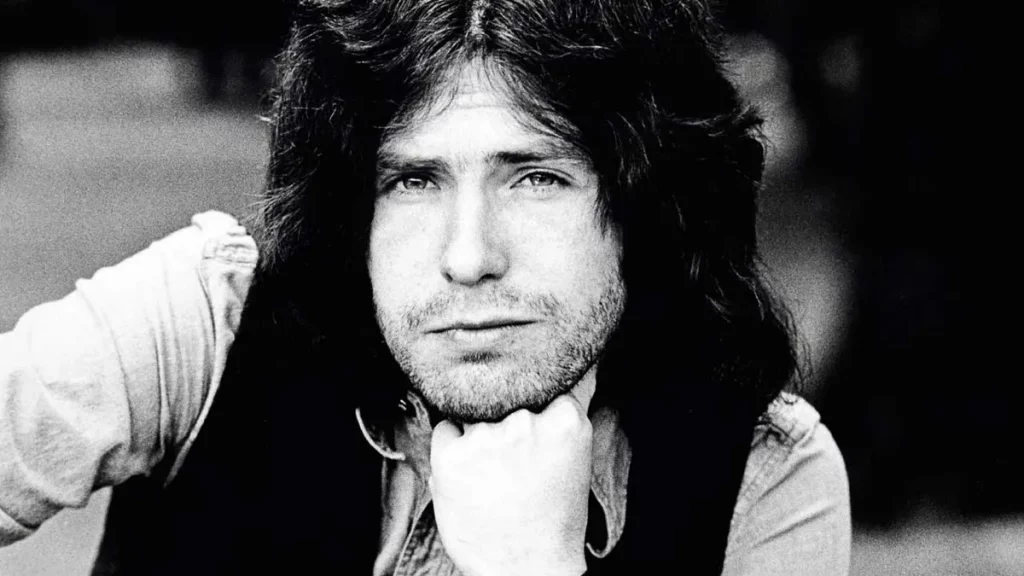
Frankie Miller has one of those voices that stops you mid-sentence — gritty, soulful, aching, and unmistakably real. It’s the sound of lived experience, shaped by smoky pubs, late nights, hard miles on the road, and a deep love of rhythm and blues. Born Francis Miller on November 2, 1949, in Glasgow, Scotland, Frankie grew up in a working-class environment where music wasn’t a luxury — it was a lifeline.
Finding His Voice: Frankie Miller and the Powerhouse
As a teenager, Frankie was already soaking up American blues and soul records, falling hard for artists like Muddy Waters, Otis Redding, and Ray Charles. Those influences never left him. You can hear them in every rasp, every shout in his singing. By the late ’60s, he was fronting his own band, building a reputation as a formidable live performer around the UK. Long before the record deals and chart success, Frankie was earning his stripes the old-fashioned way — on stage, night after night.

Signing with Chrysalis Records and Early Solo Success
Frankie’s big break came in the early ’70s when he signed to Chrysalis Records. His debut album Once in a Blue Moon immediately showcased his emotional range and powerful voice. The album also revealed something else: Frankie wasn’t just a belter — he was a storyteller. Songs like “I’m Falling in Love” hinted at the soulful depth that would define his career.
The Rise of a Soulful Rock Singer
Over the next decade, Frankie Miller released a run of albums that firmly established him as one of the great blue-eyed soul singers of his generation. Records like High Life, The Rock, and Full House blended rock, soul, and blues with effortless confidence. The Rock in particular is often cited as a high point — raw, energetic, and brimming with personality. It also helped cement his reputation internationally, especially in the US, where his sound resonated deeply.
A Songwriter’s Songwriter: Writing Hits for Music Legends
Frankie’s songwriting talent didn’t go unnoticed either. In fact, some of his most famous songs became hits for other artists. “I Can’t Change It” was covered by artists including Ray Charles. Rod Stewart also became a close friend and champion, recording several of his songs and helping introduce his music to an even wider audience. Musicians loved him as much as fans did.
A Voice Like No Other: Grit, Soul and Emotional Honesty
Despite the success, Frankie never chased trends or tried to polish away the rough edges that made him special. His voice remained raw and honest, often sounding like it might crack — and sometimes it did — but that vulnerability was exactly the point. He sang like someone who meant every word.
A Career Cut Short: The 1994 Brain Hemorrhage
Then, in 1994, everything changed. Frankie suffered a massive brain hemorrhage that left him unable to speak or sing, abruptly ending his performing career. It was a devastating blow, not just to fans, but to the entire music world. One of rock and soul’s most distinctive voices was suddenly silenced.
Life After the Stage and the Power of Support
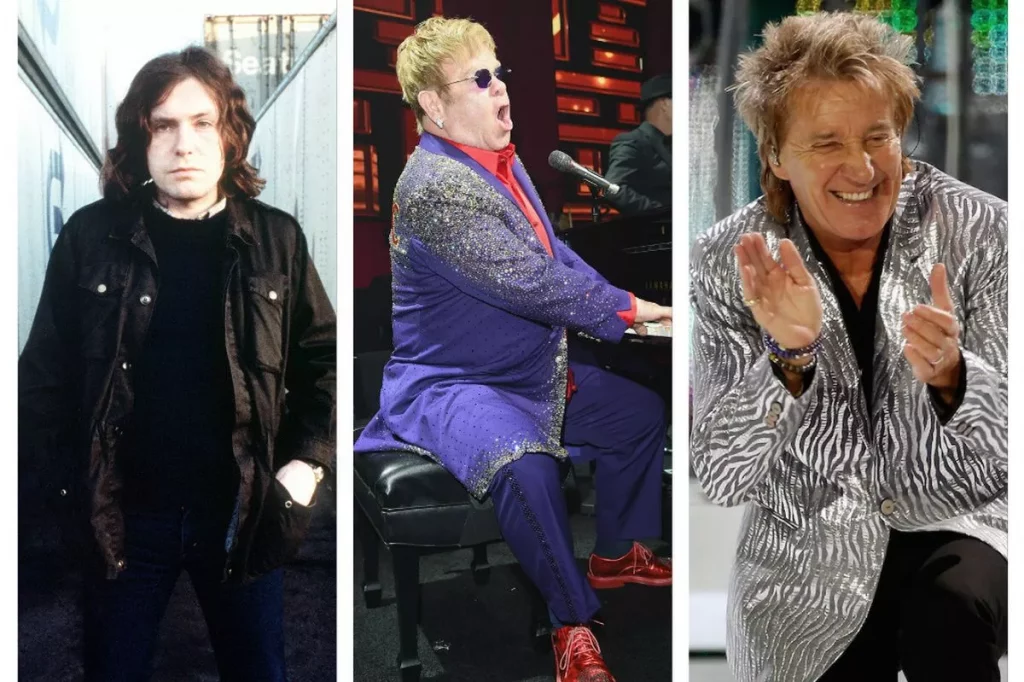
In the years that followed, Frankie’s wife, Annette, became his fiercest advocate and caretaker, helping him through a long and difficult recovery. While he would never return to the stage, Frankie’s spirit — and his music — endured. Fellow musicians rallied around him, and tribute albums like Frankie Millers Double Take where Elton, Rod, Willie Nelson and others duetted with him, helped reintroduce his catalogue to new listeners while honoring his immense influence.
Legacy of Frankie Miller: A Singer’s Singer
Today, Frankie Miller is remembered not just for his powerful voice, but for his authenticity. He was never a glossy superstar or a carefully manufactured rock icon. He was a singer’s singer — admired by peers, respected by critics, and adored by fans who recognised something deeply human in his music. Scottish author, Davy Arthur has now honoured Frankie Miller’s life in a new book Long Way Home and joins us today to share the sad story of Frankie Miller.




This Post Has One Comment
I’m 76 and knew Frankie back in 65, he used to play at the YMCA in Castlemilk, Glasgow his band at that early time in his career was “The Deljacks” and did mostly rhythm & blues with himself on harmonica. He played there regularly, it was the time of coca cola and crisps and good music. During the week we used to hang out on the corner of Castlemilk Drive which was nicknamed “The Bundy” other friends of mine where closer to Frankie than me, but we had good times.