Spotify
 Apple Podcasts
 Amazon Music
 CastBox
 PocketCasts
 RSS
RSS YouTube
The Rocking Roots: Status Quo
Status Quo are one of Britain’s longest-running bands, staying together for over six decades. During much of that time, the group was only successful in the U.K., where they racked up a string of Top Ten singles over the decades. In the US, the Quo were ignored after they abandoned psychedelia for heavy boogie rock in the early ’70s. The British rock band kicked off its journey in ’62 under the name “The Spectres.” They went through several lineup changes but settled into the quartet of Francis Rossi, Rick Parfitt, Alan Lancaster and John Coghlan.

The Name: Status Quo
In the late ’60s, the band adopted the name Status Quo and found their signature sound, a heady mix of boogie rock and blues. Their breakthrough came with the hit single “Pictures of Matchstick Men” in 1968. This marked the beginning of a rock ‘n’ roll rollercoaster that would define their career.
The '70s
Following that single, the group suffered a lean period for the next few years before the bandmembers decided to refashion themselves as a hard rock boogie band in ’70 with their Ma Kelly’s Greasy Spoon album. The Quo have basically recycled the same simple boogie on each successive album and single, yet their popularity has never waned in Britain. If anything, their very predictability ensured the group a large following.
Drumming Dynamo: John Coghlan
The heartbeat of the band was John Coghlan. Born in 1946, Coghlan brought a powerhouse of rhythm to Status Quo. His drumming prowess was a driving force behind the band’s infectious energy, contributing to their unique boogie rock style. Coghlan’s solid and dynamic drumming laid the foundation for many Status Quo classics, including “Caroline,” “Down Down,” and “Rockin’ All Over the World.”
The Rock 'n' Roll Journey
Status Quo’s journey has been nothing short of a rock ‘n’ roll odyssey. Through the ’70s, they became synonymous with the denim-clad, head-banging rock culture. The “Frantic Four” lineup, including Coghlan, reached its zenith during this period, churning out iconic albums like “Hello!” and “Quo.”

The '80's
As with many legendary bands, the ’80s brought changes. Coghlan left Status Quo in 1981 due to creative differences. The band continued, but fans missed the powerhouse drumming that defined their early sound.
Reunion and Beyond
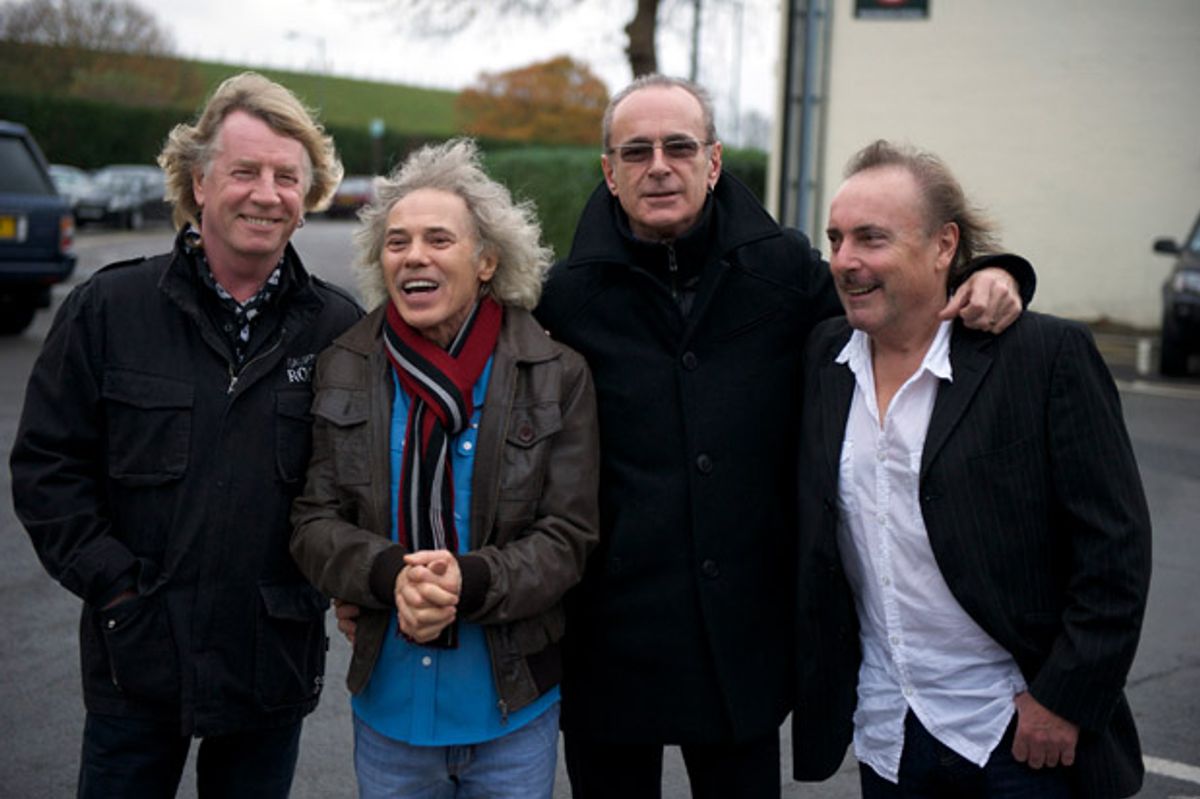
Fast forward to 2013, and the Status Quo universe experienced a seismic shift. The “Frantic Four” lineup, including John Coghlan, reunited for a series of concerts. Fans reveled in the nostalgia, witnessing the magic of the original quartet.

John's Legacy
While John’s full-time return to Status Quo didn’t materialise, his legacy remains intact. His contributions to the band’s classic era continue to echo through the halls of rock history.
John Coghlan's book 'SPUD'
Spud – From the Hood to the Good Life is John’s candid and engaging autobiography, offering an inside look at life behind the drum kit of Status Quo. Nicknamed “Spud,” John traces his London upbringing, the formation of Status Quo and the band’s rise from small clubs to international success. He shares behind-the-scenes stories from the road, recording sessions, and the intense touring schedule that made Quo one of Britain’s hardest-working rock bands.