Musical Beginnings
Laurence Juber was born in Stepney, East London, and grew up in a creative household where music was always present. His father was an amateur violinist. Like many young musicians of his generation, he was inspired by the British music explosion of the ’60s. The Beatles made a profound impression on him and sparked his desire to pursue guitar seriously. Laurence studied music in London, where he expanded his understanding beyond rock and pop to include jazz and classical influences. This helped shape his disciplined approach and versatility, qualities that would soon make him stand out in the competitive London music scene.
Building a Reputation as a Session Musician
By the mid-’70s, Laurence had become a respected session guitarist in London. He worked on TV soundtracks, film scores, and pop recordings, building a reputation as a reliable and highly adaptable musician. His ability to play a wide range of styles made him valuable everywhere.
Joining Paul McCartney and Wings
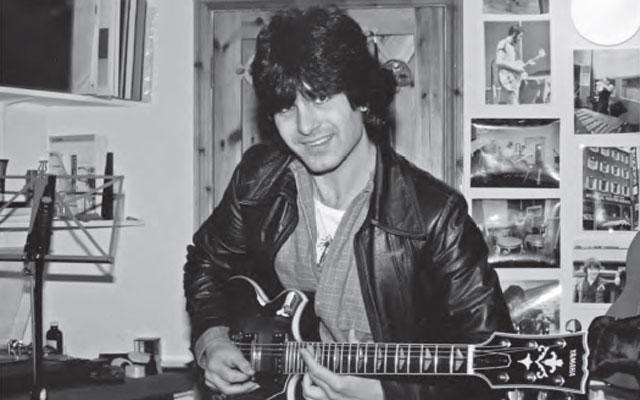
In ’78, Juber’s career took a dramatic turn when Paul McCartney invited him to join Wings as lead guitarist. McCartney was rebuilding the band and saw in Juber both the technical ability and musical sensitivity he needed. For Juber, it was an extraordinary moment—he was now working alongside one of his lifelong musical heroes.
"Back to the Egg"
He joined Wings during the recording of Back to the Egg, released in ’79, and contributed electric and acoustic guitar work that helped refresh the band’s sound. He also took part in major performances and the famous “Rockestra” sessions, which featured an all-star lineup of musicians. Touring and recording with McCartney exposed Juber to global audiences and the realities of international fame.
The End of Wings
After Wings came to an end in 1980, Juber moved to Los Angeles, a decision that opened new doors. He quickly became an in-demand studio guitarist, working on film and television soundtracks. His precision, musicality, and professionalism made him a trusted collaborator with composers and producers. This period allowed him to establish financial stability while exploring new creative directions. But rather than remain solely a session player, Juber began developing a more personal artistic voice.
Moving to America and Reinventing His Career
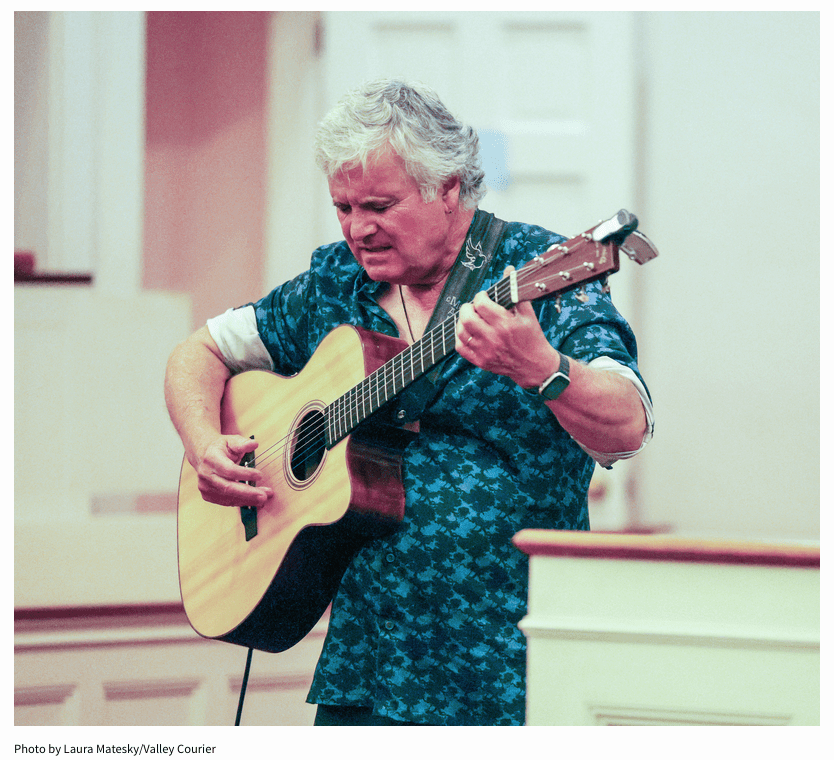
Laurence eventually shifted his focus to solo acoustic guitar, where he found his true calling. His fingerstyle technique, combining technical skill with emotional depth, earned widespread respect. He released solo albums and became known for his acoustic interpretations of Beatles songs.
His work earned critical acclaim, including a Grammy Award for his contribution to Henry Mancini: Pink Guitar. Alongside recording and performing, he became a respected teacher with workshops and instructional programs.
Becoming a World-Renowned Acoustic Guitarist
Laurence Juber’s career is a story of evolution and reinvention. From London session musician to lead guitarist with Wings, and later to internationally acclaimed solo performer, he has continually adapted and grown. While his time with Paul McCartney brought him global recognition, his lasting legacy lies in his solo work and his influence on acoustic guitar. Today, he remains an active performer and respected figure, admired not only for his connection to Wings but for the distinctive musical path he created for himself.