Spotify
 Apple Podcasts
 Amazon Music
 CastBox
 PocketCasts
 RSS
RSS YouTube
A Family Built on Harmony
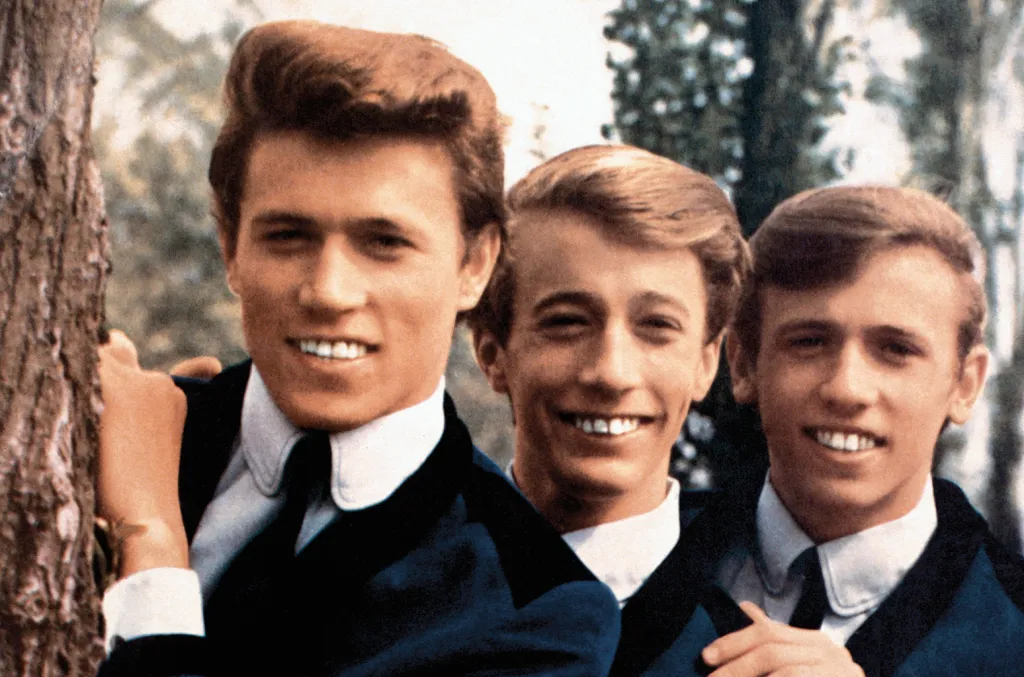
The Bee Gees are one of the most influential and enduring acts in popular music history, a band whose songs have soundtracked generations and transcended genres, eras and trends. Formed by brothers Barry, Robin and Maurice Gibb, the group’s journey began long before global fame, rooted in family, harmony and an almost instinctive musical bond.
Early Years: From the Isle of Man to Australia
Born on the Isle of Man and raised between England and Australia, the Gibb brothers began performing together as children. Music wasn’t just an interest — it was the family language. By the late ’50s, the brothers were already writing songs, honing their harmonies and learning the discipline of performance. Their early success in Australia laid the groundwork for an explosive international career.
The First Breakthrough and Global Recognition
The Bee Gees’ first major breakthrough came in the late 1960s with emotionally rich, melodic songs like “To Love Somebody,” “Massachusetts,” “Words,” and “I’ve Gotta Get a Message to You.” Their close, often aching harmonies and introspective songwriting set them apart, marking them as serious artists rather than fleeting pop stars. What few could have predicted was just how many times they would reinvent themselves.
Reinvention and the Disco Era Phenomenon
In the ’70s, the Bee Gees achieved one of the most dramatic transformations in music history. With Barry’s soaring falsetto taking centre stage, the brothers became the undisputed kings of the disco era. Songs like “Stayin’ Alive,” “Night Fever,” “How Deep Is Your Love,” and “You Should Be Dancing” dominated charts worldwide, largely through their work on the Saturday Night Fever soundtrack — one of the best-selling albums of all time. At their peak, the Bee Gees weren’t just successful; they were everywhere.
Songwriters Beyond Their Own Band
Yet behind the global phenomenon was a tight-knit family unit. Barry, the eldest, often emerged as the group’s public face, but the Bee Gees were always a collective. Robin’s distinctive vibrato and emotional phrasing, Maurice’s musical versatility and quiet brilliance, and Barry’s melodic instinct formed a rare creative chemistry that could never be replicated. Their songwriting partnership extended beyond their own recordings, producing hits for artists including Barbra Streisand, Diana Ross, Kenny Rogers and Dolly Parton.
Growing Up Gibb: Stephen Gibb’s Early World
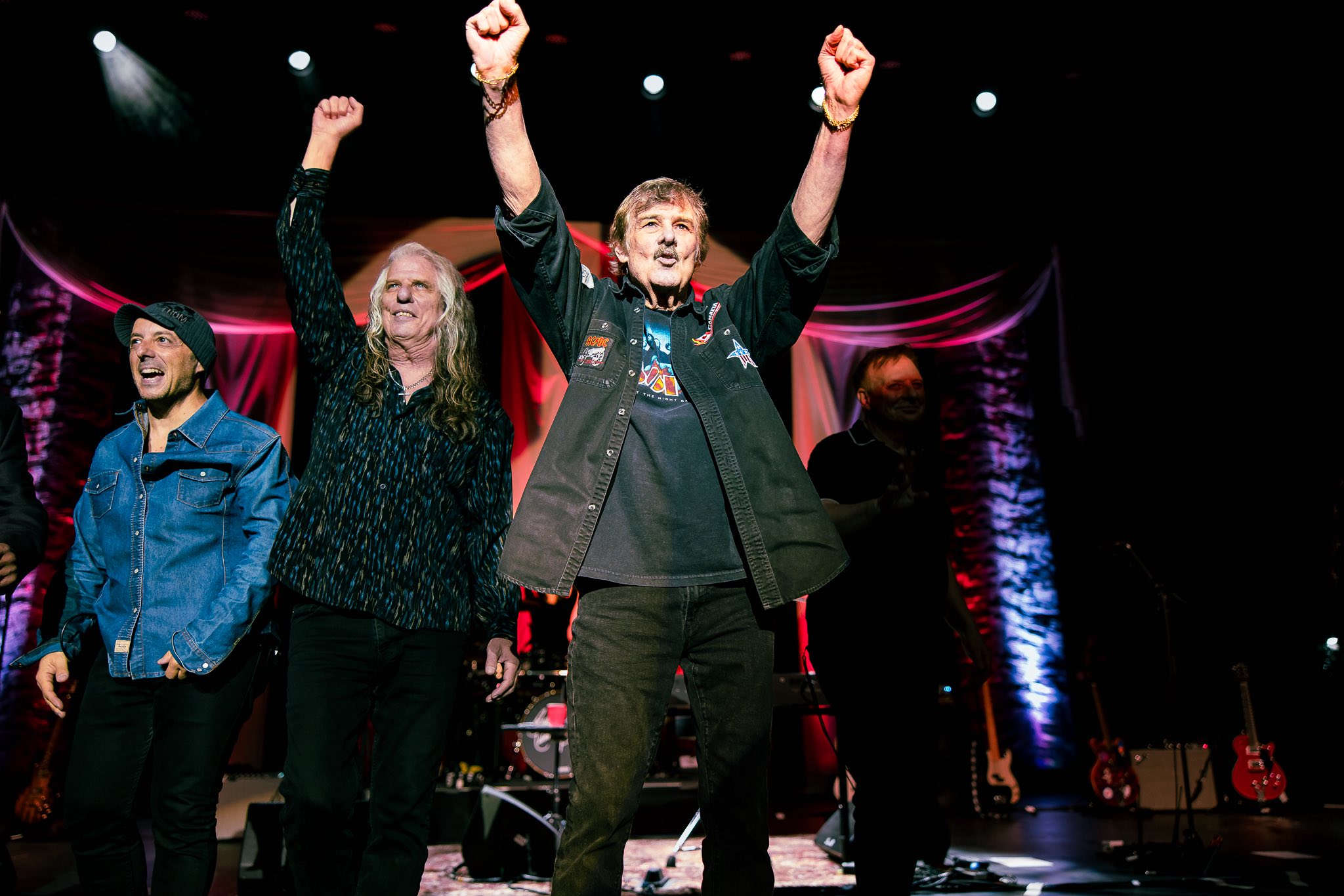
Family life continued alongside fame, and it was within this world that Stephen Gibb, Barry’s eldest son, grew up. Raised surrounded by music, Stephen witnessed the Bee Gees at work from an unusually intimate vantage point. As a child, he watched his father and uncles write, rehearse and refine songs, often assuming that such musical brilliance was simply part of everyday life. Only later did he realise just how extraordinary that environment was.
Choosing a Different Musical Path
Despite the Bee Gees’ towering legacy, Stephen chose not to follow directly in their musical footsteps. He gravitated towards hard rock and heavy metal, inspired by bands like Van Halen and Def Leppard. Determined to carve out his own identity, he built a career in rock and metal bands, valuing creative authenticity over commercial expectation. It was a conscious decision to step out of the Bee Gees’ long shadow while still deeply respecting it.
Loss, Legacy and a New Chapter
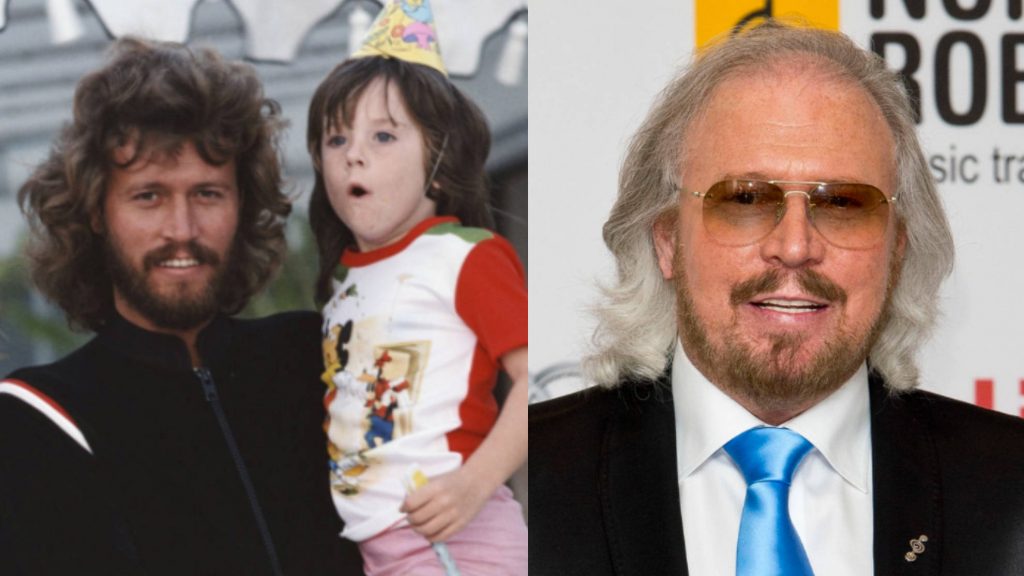
Tragedy struck the Gibb family with the loss of Andy Gibb in 1988, followed by Maurice Gibb in 2003 and Robin Gibb in 2012. These losses marked the end of the Bee Gees as a performing group, but not the end of their music. Barry continued performing and recording, often with Stephen by his side. Over time, Stephen became a trusted musical collaborator and guitarist in Barry’s touring band, providing both musical and emotional support as his father carried the legacy forward alone.

Greenfields and Barry Gibb’s Final Recording Chapter
In 2021, Barry released Greenfields: The Gibb Brothers’ Songbook, a roots-influenced reimagining of classic Bee Gees songs, recorded with a stellar lineup of artists including Dolly Parton, Keith Urban and Alison Krauss. The album was widely praised and served as a poignant tribute to his brothers and their shared catalogue. It also marked the closing chapter of Barry’s recording career, as he has since stepped into a well-earned and contented retirement.
A Legacy Protected and Respected
Today, the Bee Gees’ legacy remains immense. Their songs continue to resonate because they speak to universal emotions — love, heartbreak, resilience and hope — delivered through melodies that feel intimate and timeless. Through Barry, and through the respect and care shown by Stephen, that legacy is protected with dignity rather than spectacle.
The Bee Gees were never just a band. They were a family, bound by blood, harmony and an extraordinary gift for songwriting — a gift that continues to echo across generations.