Spotify
 Apple Podcasts
 Amazon Music
 CastBox
 PocketCasts
 RSS
RSS YouTube
A Life Shaped by Survival
Long before he became the unmistakable voice of Steppenwolf, John Kay was a child whose life had already been defined by extraordinary hardship. Born in East Prussia during the closing months of World War II, he never knew his father, who was killed before he was born. His earliest memories were of fleeing conflict with his mother before eventually escaping communist East Germany to begin a new life in Canada. Speaking with Sandy Kaye, John reflects on those formative years with remarkable perspective, explaining that the experiences of war and displacement shaped not only his character but also his appreciation for freedom and opportunity. His story is a powerful reminder that some of rock music’s greatest artists overcame unimaginable beginnings.
Discovering Rock and Roll
Once in Canada, a young John Kay became captivated by the explosion of American rock and roll. Elvis Presley, Little Richard and the early pioneers ignited an obsession that would define the rest of his life. Despite being legally blind and colour-blind, and with few obvious career options available, he threw himself completely into music. He recalls learning guitar, performing in Toronto’s thriving folk scene alongside emerging artists such as Neil Young and Joni Mitchell, and realising that music was the only path he truly wanted to follow. It was determination, rather than confidence, that drove him forward—a quality that remains evident throughout this conversation.

The Birth of Steppenwolf
John’s journey eventually led him to California, where members of his former Canadian band, The Sparrows, reunited to form a new group. One of the interview’s most fascinating revelations is how Steppenwolf got its name. Contrary to popular belief, John had never actually read Hermann Hesse’s famous novel when producer Gabriel Mekler suggested it. The name simply felt right, and history was made. John later discovered an extraordinary connection when he was invited to perform in Hesse’s hometown in Germany, bringing the band’s story full circle decades after its formation.
The Song That Changed Rock Forever

No conversation with John Kay would be complete without discussing “Born to Be Wild.” While many fans assume John wrote the classic, he explains that it was penned by Mars Bonfire, the brother of Steppenwolf’s drummer. The song was never an obvious choice for a single, and only after radio stations overwhelmingly favoured it did it explode into one of the defining anthems of rock music. Its appearance in the film Easy Rider cemented its legendary status, while the lyric “heavy metal thunder” inadvertently helped give an entire genre its name. John shares these stories with characteristic humility, insisting that luck often played as large a role as talent in his remarkable career.
More Than a Hard Rock Band
While Steppenwolf became synonymous with motorcycles and rebellion, John explains that the band always aspired to be much more than that. Albums such as Monster tackled political and social issues during a turbulent period marked by the Vietnam War and civil rights protests. Their music resonated deeply on university campuses, earning Steppenwolf the nickname “The Thinking Man’s Rock Band.” John reflects on an era when musicians genuinely believed songs could inspire change and encourage audiences to question the world around them.
Fame, Family and Finding Perspective
Like many rock stars of the era, John experienced the excesses that came with international success, yet one constant remained throughout it all—his wife, Jutta. Together since 1965, she has been both his partner and his greatest supporter. John speaks warmly about their enduring relationship, describing them as complementary opposites whose strengths have carried them through decades of success, setbacks and reinvention. His reflections reveal a man who values loyalty and partnership far more than the glamour traditionally associated with rock stardom.
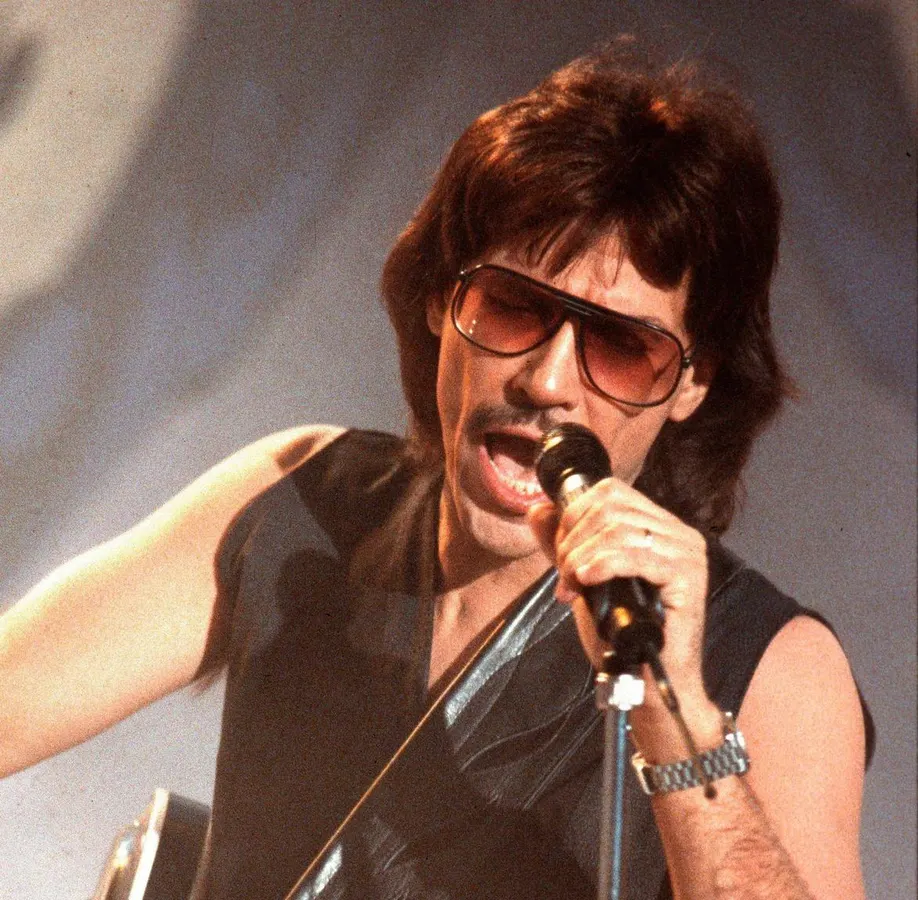
A Legacy Beyond Music
Although John retired from touring in 2018, his life’s work has expanded well beyond music. Through the Maue Kay Foundation, he and Jutta now devote much of their energy to wildlife conservation, anti-poaching initiatives and humanitarian projects around the world. Inspired by their travels through Africa and Cambodia, they have channelled the success of Steppenwolf into protecting endangered wildlife and supporting communities in need. As John tells Sandy, true success isn’t measured by fame or fortune but by leaving the world a little better than you found it.

The Man Who Continues To Inspire
John Kay’s story is ultimately one of resilience, gratitude and purpose. From a child fleeing war to the frontman of one of rock’s most influential bands, and finally to an advocate for wildlife conservation, his remarkable journey is every bit as compelling as the songs that made Steppenwolf famous. More than fifty years after “Born to Be Wild” first roared out of radios around the world, John Kay continues to inspire—not simply through his music, but through the life he has chosen to lead.