From Cannock to Classic Rock Greatness
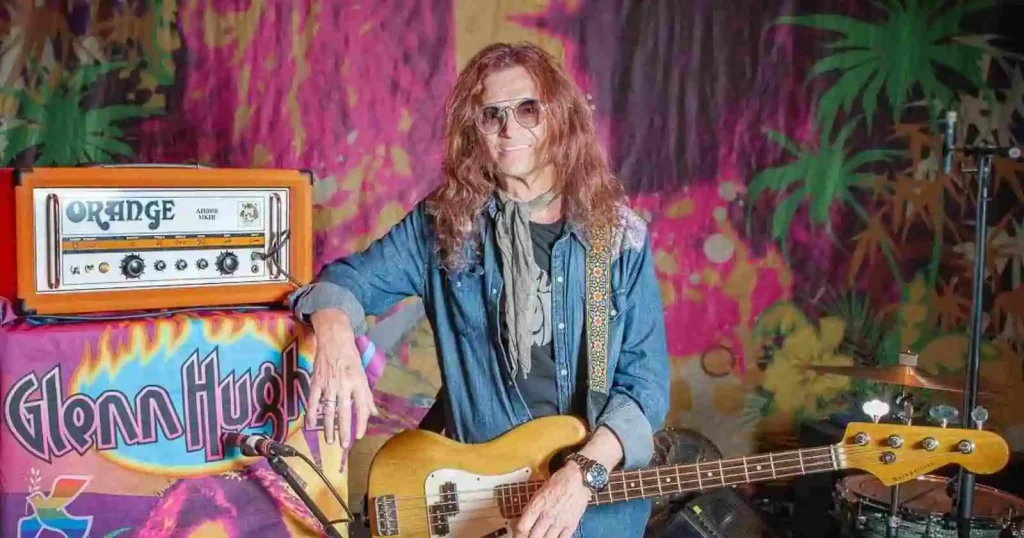
Few musicians have lived a life as extraordinary as Glenn Hughes. Revered around the world as “The Voice of Rock,” Hughes has spent more than five decades thrilling audiences with a voice that effortlessly blends hard rock, soul, funk and blues. While many know him as the bassist and singer who helped redefine Deep Purple in the 1970s, his career stretches far beyond one legendary band. It is a story of remarkable talent, incredible resilience and an unwavering belief in the healing power of music.
Early Days
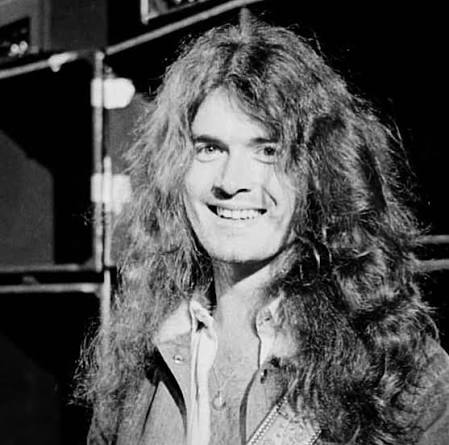
Born in Cannock, Staffordshire, England, Hughes discovered music at an early age. Inspired by artists such as Little Richard, Otis Redding, Stevie Wonder and The Beatles, he developed a musical style unlike anyone else in British rock. Equally comfortable laying down thunderous bass lines as he was delivering soaring vocals, Hughes quickly established himself as a unique performer.
Finding Success with Trapeze
Hughes’ first major breakthrough came with the hard rock trio Trapeze. Formed in the late 1960s, the band built a loyal following through relentless touring and powerful live performances. Their blend of rock, funk and soulful melodies set them apart from many of their contemporaries and showcased Hughes’ extraordinary vocal range.
Trapeze's Influence
Although Trapeze never achieved the commercial success many believed they deserved, the band became hugely influential and caught the attention of one of the biggest names in rock.
Transforming Deep Purple
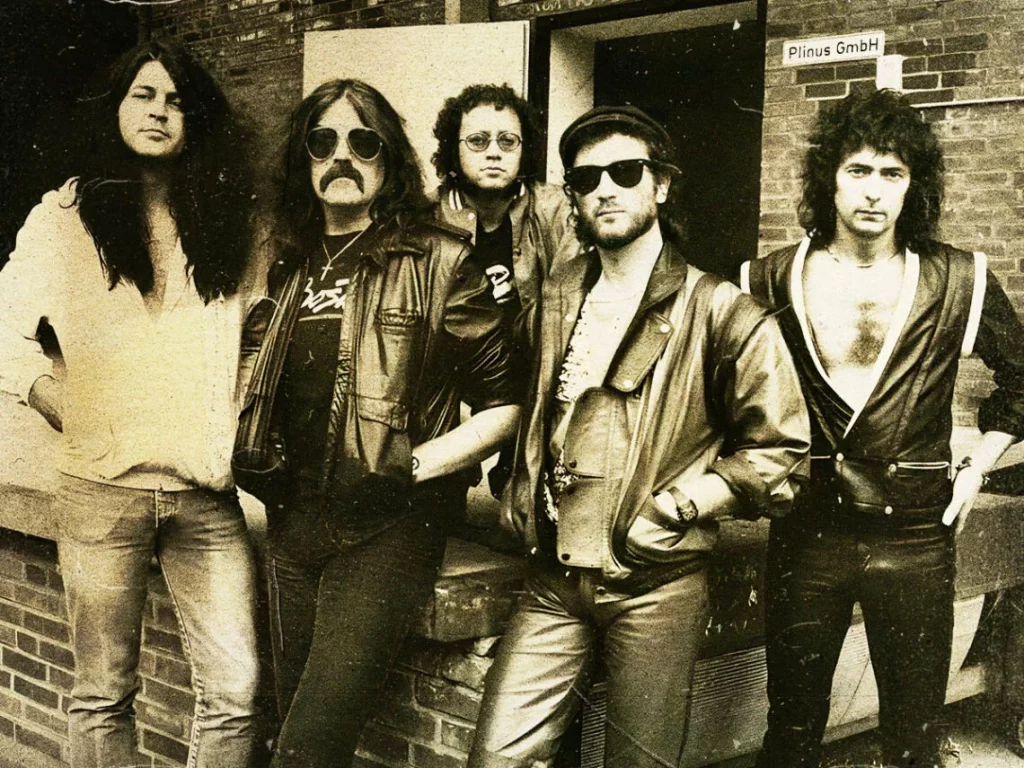
In 1973, Hughes received the call that would change his life forever. Following the departure of Roger Glover and Ian Gillan, he joined Deep Purple as bassist and vocalist, alongside new lead singer David Coverdale. The partnership created one of the most exciting periods in the band’s history. Albums including Burn, Stormbringer and Come Taste the Band introduced a heavier groove, drawing on funk and soul influences while retaining the band’s trademark hard rock sound. Hughes’ dynamic bass playing and unmistakable vocals became central to this new era of Deep Purple, helping produce some of the group’s most celebrated recordings.
Triumph, Challenges and Reinvention
Like many rock stars of the era, Hughes experienced the excesses that came with international fame. Substance addiction threatened both his career and his health, leading to some of the darkest years of his life. What makes Glenn Hughes’ story so inspiring is not the fall—it’s the comeback.
Overcoming Addictions
After overcoming addiction in the early ’90s, Hughes rebuilt both his life and his career with remarkable determination. Since then, he has become one of rock’s hardest-working musicians, releasing a string of acclaimed solo albums and collaborating with an impressive list of artists.
Black Sabbath and Black Country Communion
His career has included performances with Black Sabbath, Black Country Communion alongside Joe Bonamassa, Jason Bonham and Derek Sherinian, California Breed, The Dead Daisies and numerous all-star projects. Throughout it all, Hughes has remained committed to creating new music rather than simply celebrating past successes.
Still One of Rock's Greatest Voices
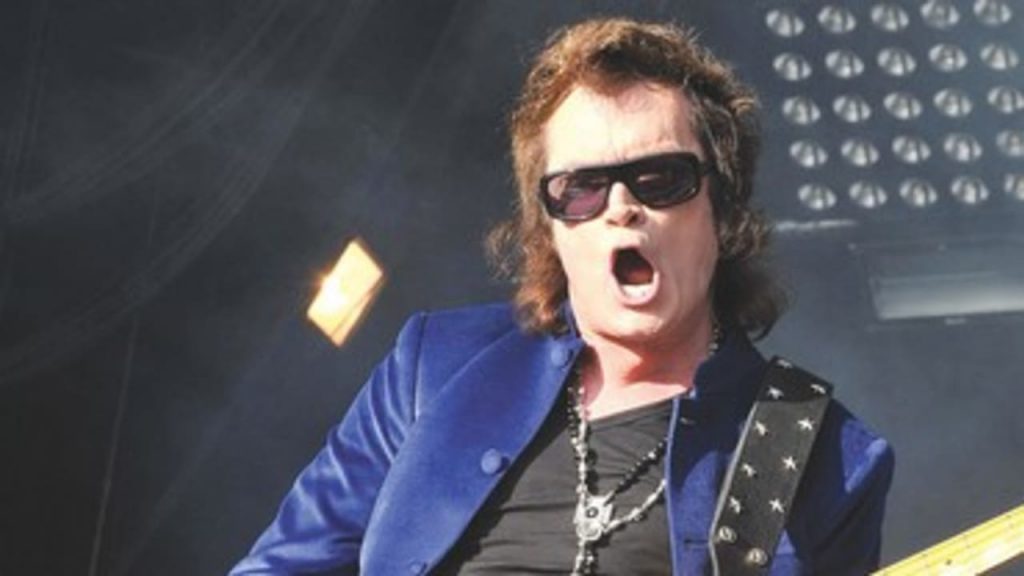
Now well into his seventies, Glenn Hughes continues to perform with the same passion and vocal power that first earned him worldwide acclaim. His voice remains instantly recognisable, and audiences continue to marvel at his ability to hit notes many singers half his age struggle to reach.
Kings of Chaos and Rock the Boat
Australian fans will soon have the opportunity to see him once again when he joins the all-star supergroup Kings of Chaos aboard the Rock The Boat cruise. Sharing the stage with fellow rock legends, Hughes continues to prove that music knows no age limit.