The Voice Behind the Hits
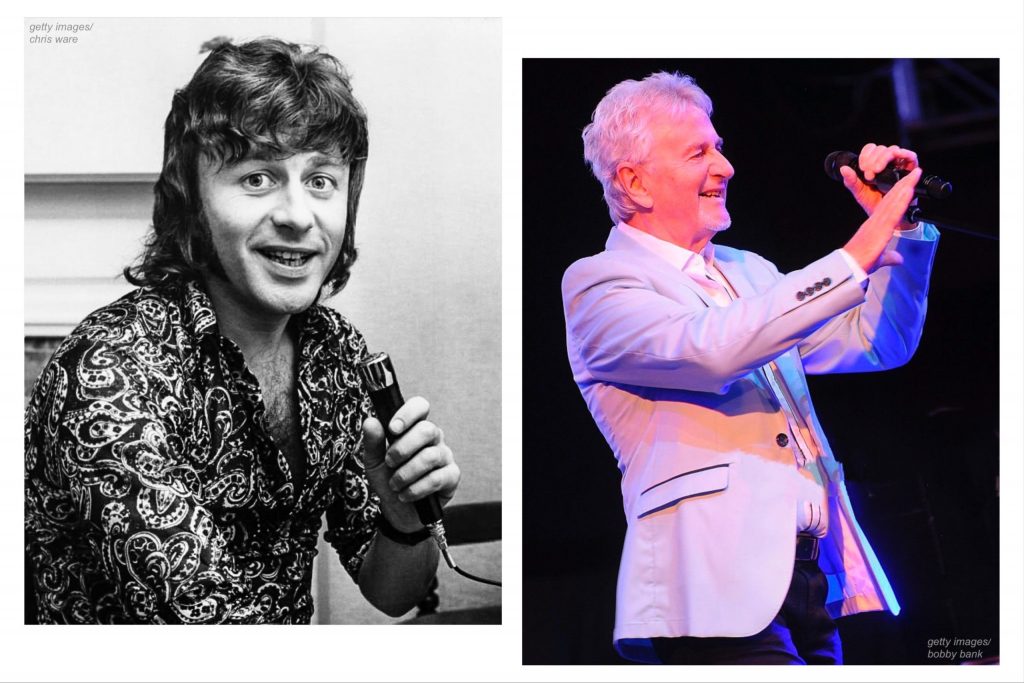
For someone whose name many people don’t immediately recognise, Tony Burrows possesses one of the most familiar voices in pop music history. During the late 1960s and early 1970s, the English singer became one of Britain’s most in-demand session vocalists, lending his unmistakable voice to a remarkable run of international hit records.
Four Chart Smashes at Once
Speaking candidly, Tony reflects on an extraordinary career that saw him achieve the rare feat of having multiple songs in the charts simultaneously — all under different band names. In 1970 alone, he appeared on four major hit singles for completely different acts, including Edison Lighthouse, White Plains, Brotherhood of Man and The Pipkins.
The Enduring Magic of “Love Grows”
The biggest of them all was undoubtedly the infectious pop classic Love Grows (Where My Rosemary Goes) by Edison Lighthouse. More than fifty years later, the song continues to enjoy an astonishing resurgence thanks to TikTok, with billions of streams introducing Burrows’ voice to a whole new generation. Tony admitted he’s still amazed by the song’s enduring popularity, describing its success as “ridiculous” all these decades later.
Why Tony Chose the Studio Over Fame
What makes Tony’s story so fascinating is that, despite his success, he rarely performed live with the groups attached to the hits. Determined to remain a studio singer rather than tour constantly, he often appeared only on television performances like Top of the Pops. In fact, his appearances became so frequent that the BBC reportedly barred him from appearing on the program for two years after viewers realised the same singer was fronting multiple “bands.”
Creating Pop Gold
Tony says his decision to focus on studio work allowed him to maintain a hectic recording schedule, sometimes working three sessions a day, seven days a week. While many artists chased fame on the road, he quietly became one of the industry’s secret weapons, recording hit after hit behind the scenes.
The Meaning Behind “United We Stand”
Among the songs closest to his heart was United We Stand by Brotherhood of Man, a track he says carried more emotional meaning than many of the novelty and bubblegum pop hits of the era. He also fondly recalled recording the quirky smash Gimme Dat Ding with The Pipkins — a song so unusual that some music historians consider it one of the earliest examples of rap-style delivery.
Touring with The Beatles During Beatlemania
Long before the hits arrived, Burrows began his career singing in harmony groups like The Kestrels and later The Flowerpot Men, even touring with The Beatles during the height of Beatlemania. He remembers those concerts as chaotic and deafening, with audiences screaming so loudly that bands could barely hear themselves perform.
Singing for Elton John and Other Legends
Beyond his own chart success, Burrows also provided backing vocals for legendary artists including Elton John, Rod Stewart and Cliff Richard. One of his proudest contributions was singing on Elton John’s classic Tiny Dancer, a song he still speaks about warmly today.
A Lifetime in Music Without the Spotlight
Despite his enormous success, Tony Burrows remains remarkably humble about his achievements, insisting he was simply “lucky” to work with brilliant songwriters and producers. Yet his extraordinary catalogue tells a different story. Few singers can claim to have been the anonymous voice behind so many enduring global hits. Even now, decades later, his music continues to soundtrack generations of listeners around the world.