Spotify
 Apple Podcasts
 Amazon Music
 CastBox
 PocketCasts
 RSS
 YouTube
Rock Roots: Tom Petersson’s Musical Genesis
Few bands have managed to build a career quite like Cheap Trick. While many of their contemporaries chased trends and radio formulas, the Illinois quartet carved out their own path, blending British Invasion melodies with hard rock energy, power pop hooks and an unmistakable sense of humour. Speaking candidly on A Breath of Fresh Air, founding bassist Tom Petersson reveals that the band’s success was never part of some grand master plan—it simply grew from four musicians playing the music they loved.

Formation of Legends: The Birth of Cheap Trick
Petersson admits that music wasn’t always destined to become his life’s work. Growing up in Rockford, Illinois, his family wasn’t especially musical, but everything changed in 1964 when the British Invasion exploded across America. The arrival of The Beatles, The Kinks, The Who and The Rolling Stones inspired teenagers everywhere to start bands, and Petersson was no exception. What began as a hobby with school friends soon became an obsession that would shape the rest of his life.
https://www.youtube.com/watch?v=8UB9JwBemUA
Learning Through Failure
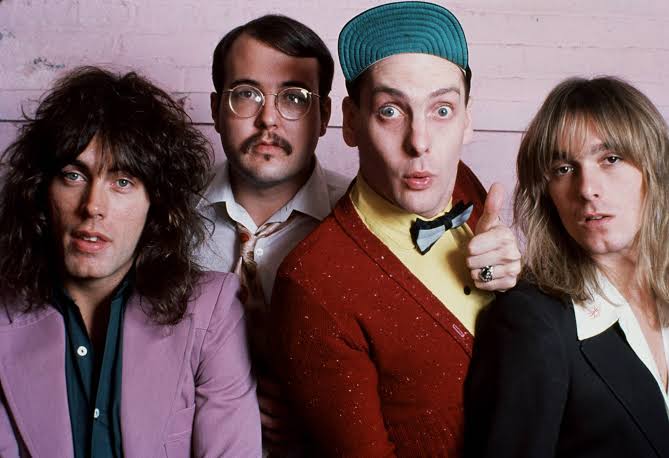
Cheap Trick’s roots stretch back through several earlier bands including Fuse, Sick Man of Europe and Grim Reapers. Petersson recalls how an early record deal arrived almost by accident after opening for Terry Reid in Chicago, with record executives immediately offering the young musicians a contract. They believed they’d made it.
The Business of Music – No Fun
Instead, they quickly discovered how unforgiving the music business could be. Their debut with Epic Records failed to meet expectations, management disputes followed, and within a year the deal had evaporated. Rather than ending their dreams, the disappointment became a valuable lesson in resilience. They returned to playing clubs, refining their sound while refusing to compromise creatively.
https://www.youtube.com/watch?v=vjRVOqDnr6U
Inventing a New Sound
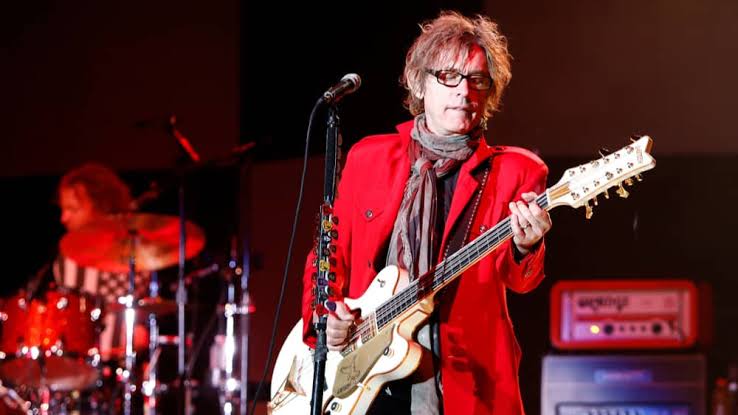
One of Tom’s greatest contributions to rock music wasn’t simply his bass playing—it was inventing the 12-string bass guitar. Inspired by the shimmering sound of 12-string electric guitars, he approached Hamer Guitars with an idea many believed would never work. After years of development, the instrument finally debuted in 1977 while Cheap Trick were opening for Kiss. The enormous, orchestral tone instantly became his trademark and remains one of the defining sounds of the band’s recordings.

The Band Nobody Could Categorise
Even before finding commercial success, Cheap Trick stood apart from other club bands. While most groups filled dance floors with Top 40 covers, Cheap Trick mixed original material with songs by David Bowie, Slade, T. Rex and The Kinks. Their blend of British pop, progressive rock and hard rock confused club owners but gradually attracted a loyal audience.
What’s In A Name?
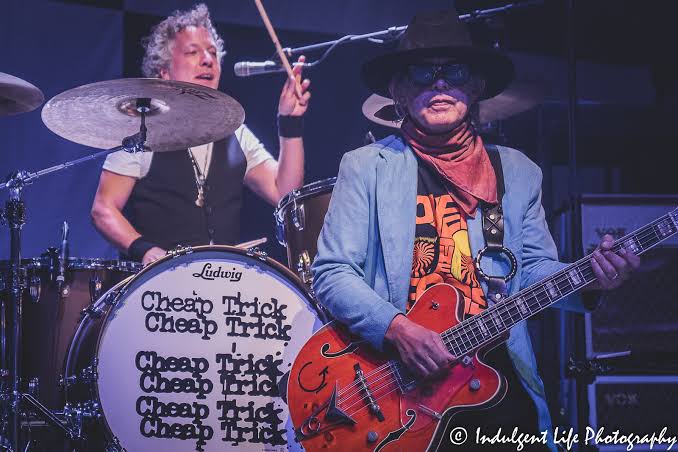
The band’s unusual name also came about almost by accident. Watching Slade perform in Philadelphia, Petersson remarked that the glam rock stars were using “every cheap trick in the book.” Guitarist Rick Nielsen immediately recognised it as the perfect band name—and Cheap Trick was born.
Budokan Breakthrough: Global Triumph
After three studio albums failed to generate major sales in America, Cheap Trick seemed destined to remain a cult act. Then fate intervened. A live performance recorded for Japanese television became Cheap Trick at Budokan, initially intended only for the Japanese market. To everyone’s surprise, imported copies began selling in huge numbers across America, forcing Epic Records to release internationally.
https://www.youtube.com/watch?v=-qgpewMCVjs
I Want You To Want Me
The live version of I Want You to Want Me became the breakthrough hit that finally introduced Cheap Trick to mainstream audiences around the world. Ironically, Petersson reveals the band had already dropped the song from their live set until Japanese promoters insisted they perform it because it had become a number-one hit there. It proved to be the decision that transformed their career forever.
https://www.youtube.com/watch?v=ZbkypX1OhZ0
Success Came at a Price
Behind the scenes, the success was exhausting. Cheap Trick routinely played close to 300 shows each year while recording two albums annually. Overnight flights, relentless touring and constant studio sessions left little time for anything else. Petersson eventually left the band in 1980, describing the pace as overwhelming rather than the result of creative differences.

Inspiring Generations: Cheap Trick’s Influence on Rock
More than five decades after those first garage rehearsals in Illinois, Cheap Trick continue to tour internationally while remaining true to the philosophy that has always guided them. Petersson insists the band has never written songs to satisfy record executives or chase current trends. Instead, they make music they themselves would want to hear, varying their setlist nightly to keep both themselves and their audience engaged.
https://www.youtube.com/watch?v=dNgPNO6TFwY
Still Doing It Their Way
Away from the stage, Petersson also speaks proudly of Rocky’s Speech, a musical project created to help his autistic son develop language skills—a deeply personal reminder that, beyond the legendary riffs and sold-out concerts, family remains just as important as music. Cheap Trick may have become one of rock’s most enduring bands almost by accident, but their remarkable longevity is no accident at all. Their willingness to trust their instincts, embrace originality and refuse to follow the crowd has ensured that, decades later, they remain exactly what they’ve always been—one of rock’s most distinctive and beloved bands.