Spotify
 Apple Podcasts
 Amazon Music
 CastBox
 PocketCasts
 RSS
RSS YouTube
Paper Lace’s Philip Wright: The Hits, the Hype and the American Tour That Never Happened
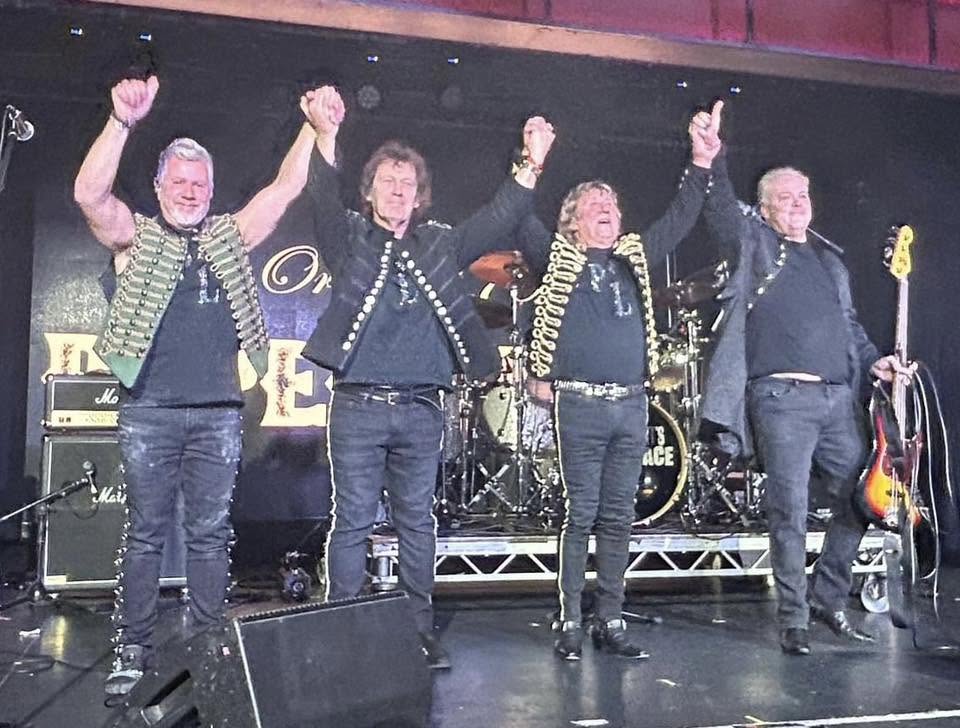
For Philip Wright, discovering Paper Lace had reached number one meant racing into his bandmate’s bedroom and jumping on the bed. After years of motorway journeys, club gigs and waiting for a break, “Billy Don’t Be a Hero” had finally taken them to the top. From Nottingham’s music scene to international chart success, Philip remembers the excitement, missed opportunities and lasting pull of life onstage.
Before the Hits: Learning the Hard Way
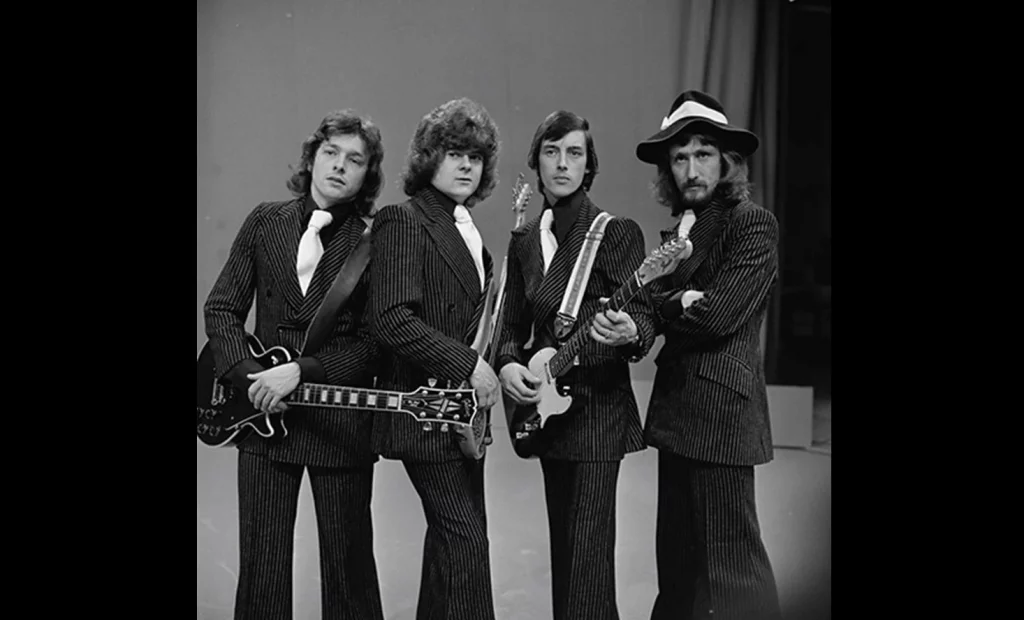
Philip’s story began with Music Box, the band in which he met bass player Cliff. From ’67, they travelled between pubs and clubs, learning how to perform and connect with an audience. A six-month residency in northern England gave them time to sharpen their sound and rethink their identity. Their new name came from an unexpected source: a craft book describing folded paper cut into decorative patterns. Paper Lace rolled off the tongue. It also neatly connected them with Nottingham’s lace-making heritage, although that association followed the choice rather than inspired it.

The Television Break That Took Three Years
An audition for British television talent show Opportunity Knocks in 1970 seemed promising. Asked to keep playing, the musicians left convinced an invitation would arrive within weeks. Instead, they waited three years. When the letter finally came in ’73, they wondered whether a talent competition still suited their ambitions. Then they considered its audience of around seven million viewers.
Billy Don't Be A Hero
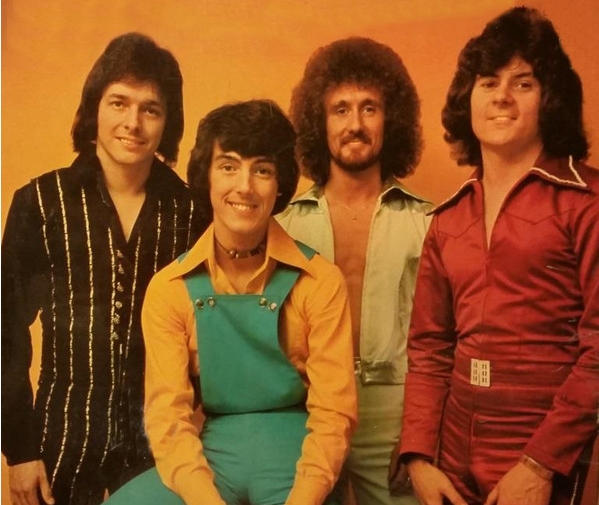
Performing live in sparkling jackets and platform boots, Paper Lace won successive appearances and attracted thousands of postal votes. The exposure brought them to the attention of songwriter Peter Callender who with his partner Mitch Murray had a song needing the right band: “Billy Don’t Be a Hero”.
That Song Changes Everything
Released in 1974, the record reached number one in Britain and became a huge Australian favourite. Suddenly, the band’s working life was crowded with interviews, television appearances and press attention. Returning to Nottingham, they found fans and photographers waiting at the station. Murray drove them into town in a canary-yellow Rolls-Royce for a civic reception attended by thousands. For musicians who had spent years building an audience gig by gig, the transformation was overwhelming.

An American Number One, but No American Tour
Philip recalls that negotiations delayed their American release of “Billy Don’t Be a Hero”, allowing Bo Donaldson and the Heywoods’ version to become the US chart-topper.
The Night Chicago Died
The answer was another story song, “The Night Chicago Died”. This time, Paper Lace themselves reached number one in America. Yet the expected American tour never materialised. The record company declined to provide the financial support they needed. Astonishingly, an American number one didn’t automatically open every door.
Why Philip Wright Returned to Paper Lace
Later chapters included recording with Nottingham Forest footballers, lineup changes and Wright’s move into the building industry. He then reunited with Cliff and new musicians, returning to the road as the Original 70s Paper Lace. Today that band tours the world.