Spotify
 Apple Podcasts
 Amazon Music
 CastBox
 PocketCasts
 RSS
RSS YouTube
The Man Behind the Music
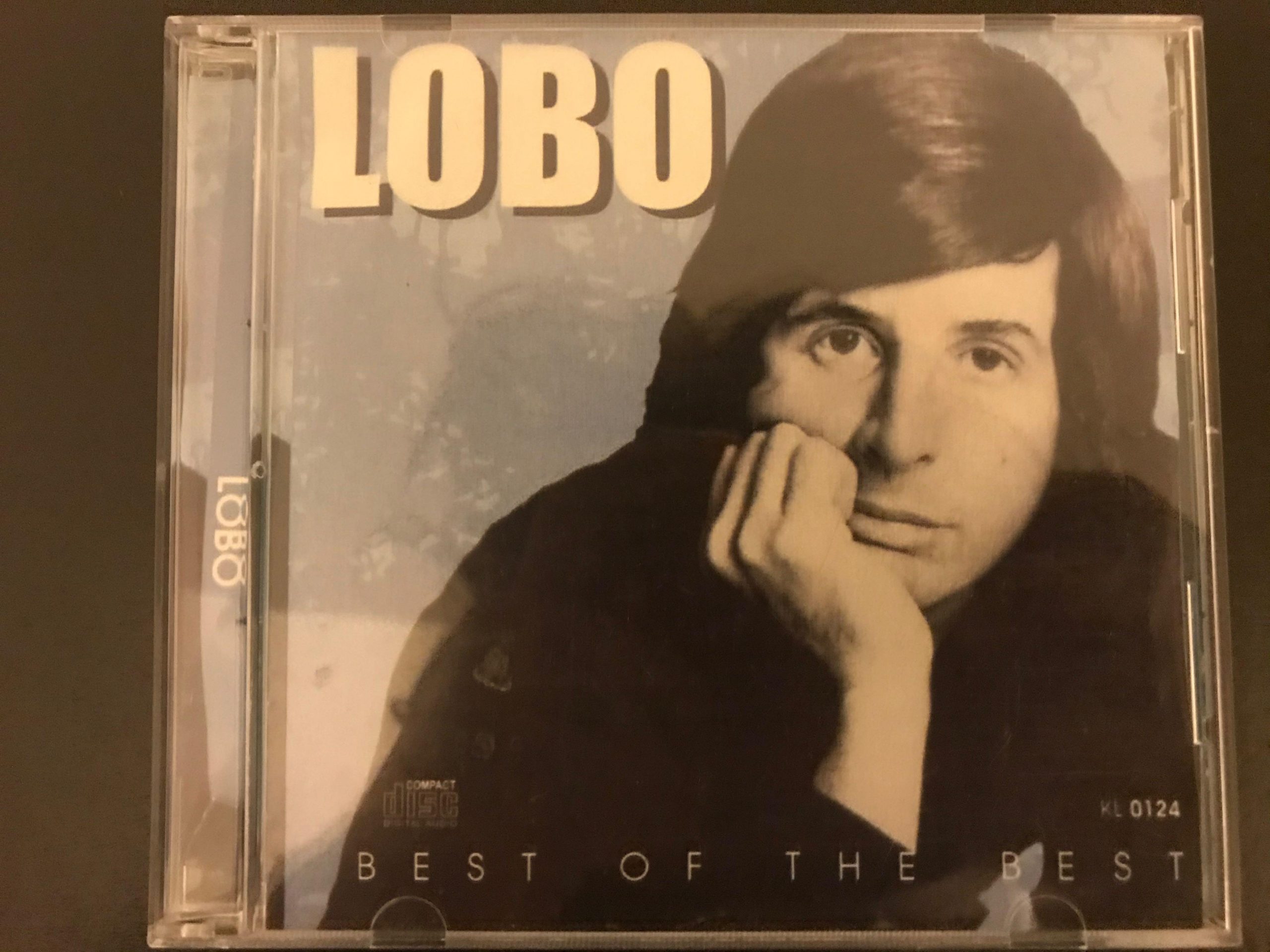
There are few artists whose songs instantly transport listeners back to another time quite like Lobo. His gentle melodies and heartfelt lyrics became the soundtrack to countless lives during the 1970s, producing enduring classics such as Me and You and a Dog Named Boo, I’d Love You to Want Me, Don’t Expect Me to Be Your Friend and How Can I Tell Her. Yet behind those timeless songs lies a remarkable story that many fans have never heard.
In this candid conversation Roland Kent LaVoie—the man behind the stage name Lobo—reveals that despite becoming one of the decade’s most successful singer-songwriters, fame was never something he chased. In fact, it was something he actively tried to avoid.
Why He Became Lobo
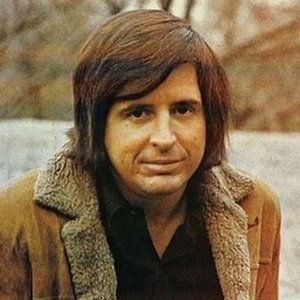
Unlike many performers who dream of celebrity, Kent LaVoie always preferred a quiet life. Choosing the name “Lobo,” the Spanish word for wolf, allowed him to separate his public persona from his private life. It also helped that his first major hit featured a German Shepherd named Boo.

He Loved the Anonymity
That separation proved invaluable. While millions recognised the songs, relatively few recognised the man who wrote and performed them. LaVoie says he was perfectly happy to leave the spotlight behind after concerts and return to everyday life—mowing the lawn, playing golf and enjoying the peace that fame often steals from artists.
An Unexpected Beginning
Music wasn’t always the plan. Growing up in Florida, LaVoie never imagined making a career from songwriting. He thought music would simply remain a hobby while he pursued a more conventional profession. Everything changed after singing publicly for the first time at a school function. Suddenly he discovered the power music had to connect with people. Playing in local bands while attending college paid surprisingly well, allowing him to support himself without taking a regular job. What began as a practical way to earn money slowly evolved into something much bigger.
The Birth of 'Me and You and a Dog Named Boo'
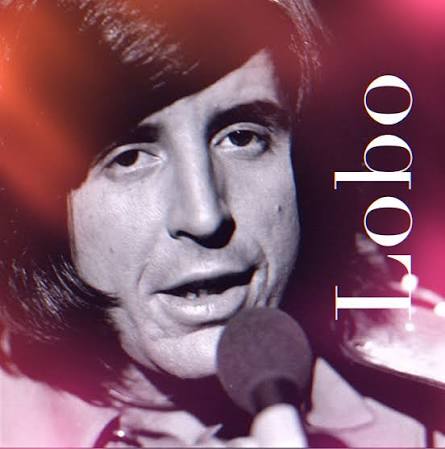
One of the interview’s most delightful stories centres on the creation of Lobo’s breakthrough hit. Searching for a lyric that rhymed with “you,” LaVoie happened to glance through a sliding glass door into his backyard, where his German Shepherd Boo was sitting. In an instant, the title Me and You and a Dog Named Boo was born. It became an international smash, launching Lobo onto the world stage almost overnight. Looking back, he still marvels at how an ordinary moment could produce a song that continues to resonate more than fifty years later.
The Song That Changed Everything
While Me and You and a Dog Named Boo introduced Lobo to the world, it was I’d Love You to Want Me that cemented his place in music history. Inspired in part by Harry Nilsson’s emotional classic Without You, the song explored longing, impossible love and emotional restraint. LaVoie reveals that the inspiration came from an unreachable figure from his childhood—a teacher who captured his imagination long before he understood those emotions.

The recording itself became a labour of love, with orchestral arrangements and lush backing vocals transforming a simple idea into one of the defining ballads of the decade. The song topped charts across Europe, spent thirteen weeks at number one in Germany and has since been recorded by dozens of artists around the world.
Success Without Chasing Celebrity
Unlike many artists of his era, Lobo rarely toured extensively, avoided media attention and never fully embraced the celebrity lifestyle. Meeting his wife changed his priorities even further, and after marrying, he willingly stepped away from much of the industry’s relentless demands. Because he wrote his own songs, the royalties from his catalogue provided financial security that allowed him to make decisions based on happiness rather than commercial pressure.
An Unexpected Home in Asia
Although Lobo’s music found global success, one region really embraced him.Concerts throughout Hong Kong, Vietnam and across Asia regularly attracted enormous crowds, with audiences singing every word despite English not being their first language. He discovered that many people had learned English by singing his simple, melodic songs around campfires.

Still Writing His Story
Today, Kent LaVoie continues protecting and celebrating the music that has touched generations. He is working with Warner-owned Time Life to create new video performances and recordings that introduce his classic catalogue to audiences discovering it online through YouTube and streaming platforms.