Spotify
 Apple Podcasts
 Amazon Music
 CastBox
 PocketCasts
 RSS
RSS YouTube
Beyond the Guitar Legend
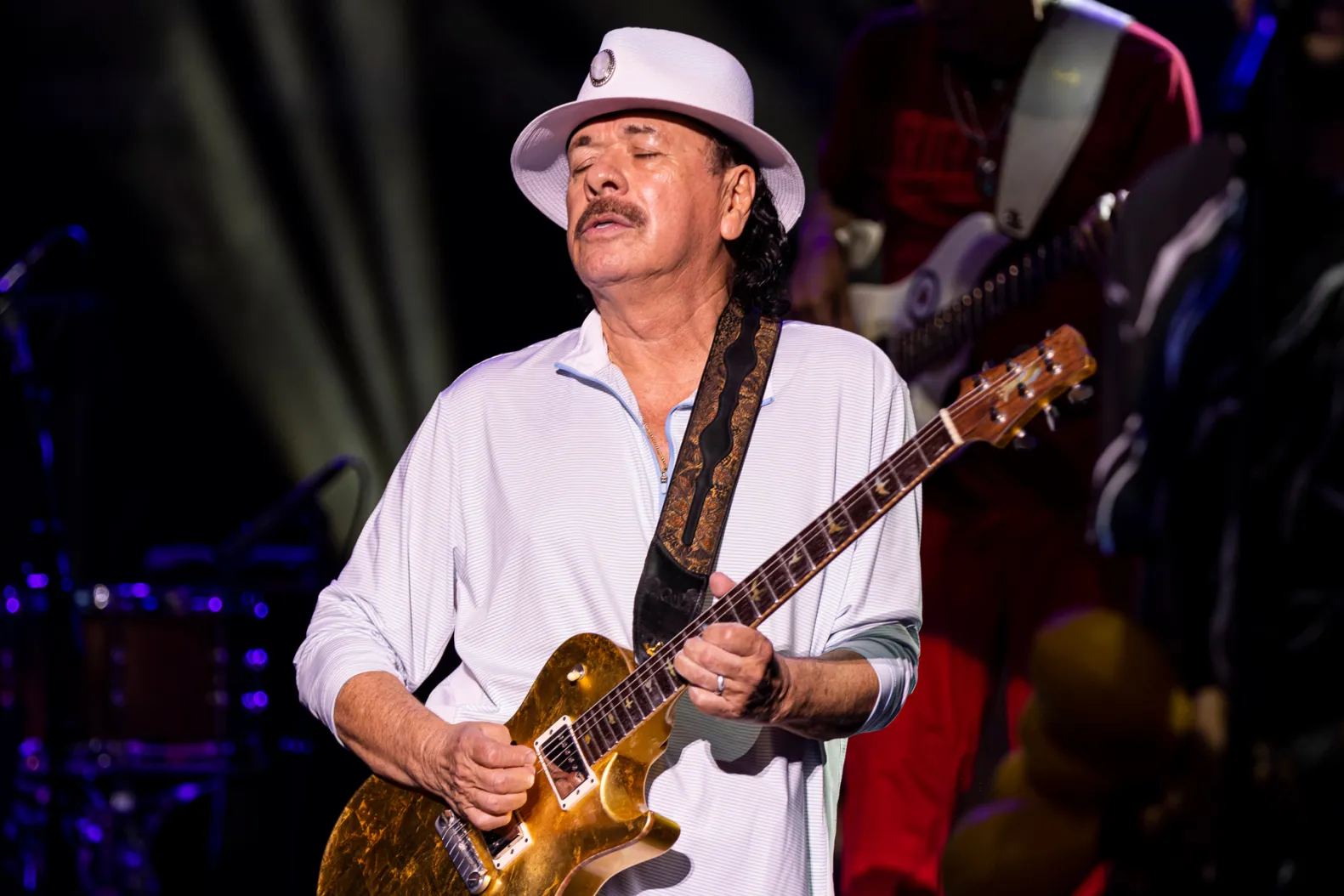
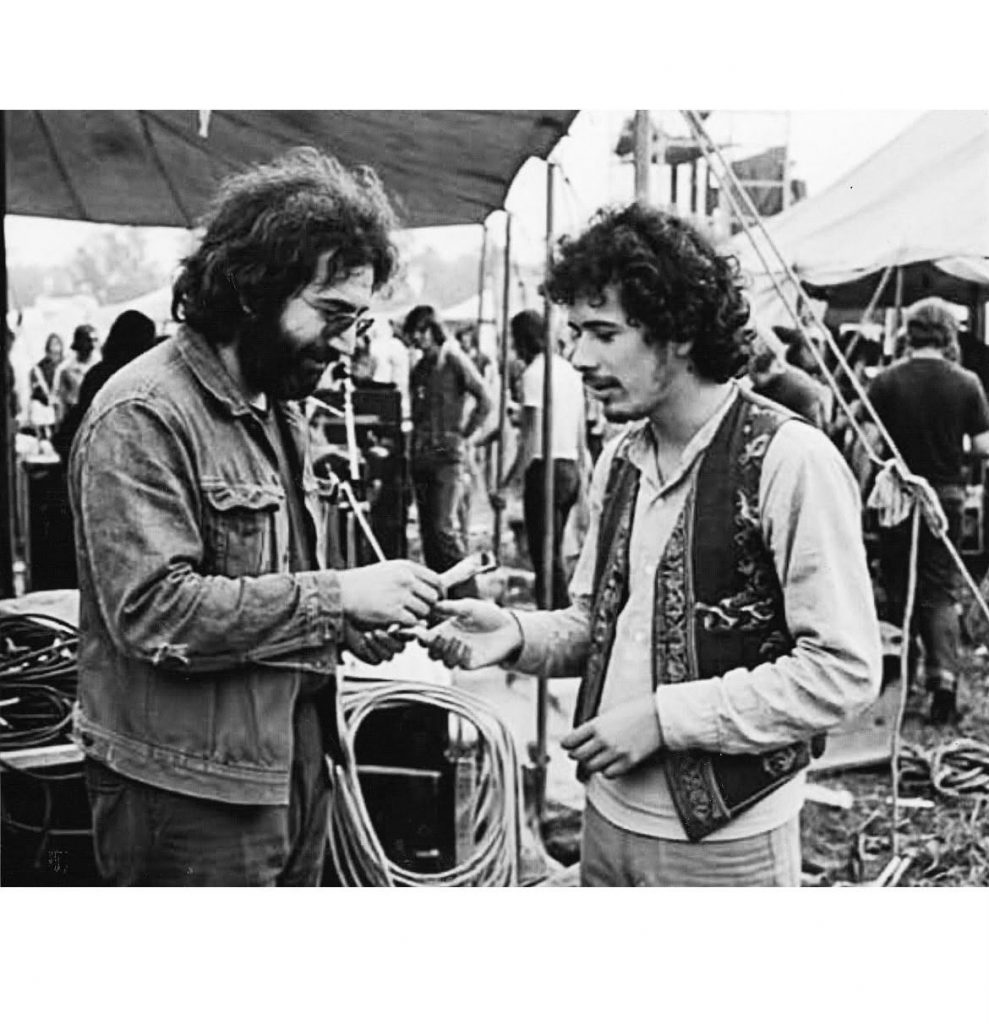
For millions of fans, Carlos Santana’s story begins with his explosive performance at Woodstock in 1969. His unmistakable guitar sound would go on to power classics including “Black Magic Woman,” “Oye Como Va,” “Maria Maria” and “Smooth,” securing his place among the best musicians ever.

But behind the awards, record sales and instantly recognisable guitar tone is a far more personal story. In this revealing conversation, Santana speaks candidly about childhood trauma, forgiveness, meditation and the spiritual awakening that transformed his life.
“I Am Not What Happened to Me”
Santana reveals that being sexually abused as a child left him angry, frightened and suspicious of others. For years, he believed people were waiting to exploit or hurt him. His healing began when he realised the abuse did not define him.
Forgiveness
Santana describes forgiving his abuser. Rather than continuing to condemn him, Santana imagined sending him towards the light. The experience brought him to tears, but it also released him from the anger he had carried. Santana hopes that by speaking openly, he can help others living with abuse, despair or suicidal thoughts understand that healing is possible.
The Spiritual Awakening That Changed Everything
In 1972, Santana discovered Autobiography of a Yogi and began exploring Hinduism, Buddhism and other spiritual teachings. Guitarist John McLaughlin introduced him to spiritual teacher Sri Chinmoy, who taught Santana how to discipline his mind and redirect fear into joy. Music also guided him. Aretha Franklin’s Amazing Grace, John Coltrane, George Harrison and Carole King helped him reconnect with his heart and discover what he describes as a compassionate, unconditional and universal love.
Choosing Growth Over Repetition
Santana’s spiritual development inevitably changed his music. After the enormous success of Abraxas, some people warned that moving in a new direction would amount to career suicide. Santana refused to repeat himself.
Smooth with Rob Thomas
That instinct proved prophetic. Decades after Woodstock, the album Supernatural introduced Santana to another generation. He recalls that “Smooth,” featuring Rob Thomas, was the final song recorded for the project. Santana says he never enters the studio determined to manufacture a hit. His intention is to create music that feels like “a big hug for a lot of people’s hearts.”
Meditation, Self-Worth and Silencing the Mind
Santana describes meditation as a way of rising above the internal voices that produce guilt, fear and self-doubt. His advice to beginners is simple: turn everything off, light a candle, concentrate on the flame and be patient. The goal, he says, is not perfection. It is learning to accept your own light. That philosophy runs through his music and his latest collection, Sentient. To Santana, being sentient means embracing compassion, kindness, patience, mercy and consideration—and using those qualities to create what he calls “a delicious life.”
Santana’s Church of Self-Worth
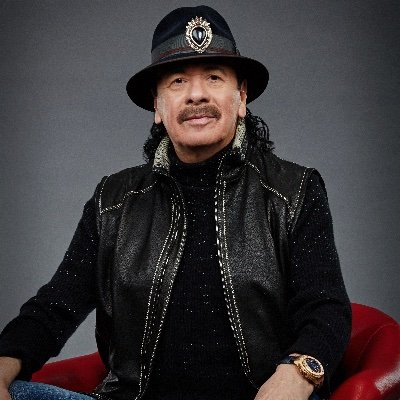
As he approaches 80, Santana is contemplating a future with less touring. His next great ambition is to establish what he calls a “church of self-worth”: a place where people can leave behind victimhood, celebrate their lives and recognise their own divinity. Music would remain central. His message is both simple and profound: love is stronger than fear, forgiveness creates freedom, and every person deserves happiness.